


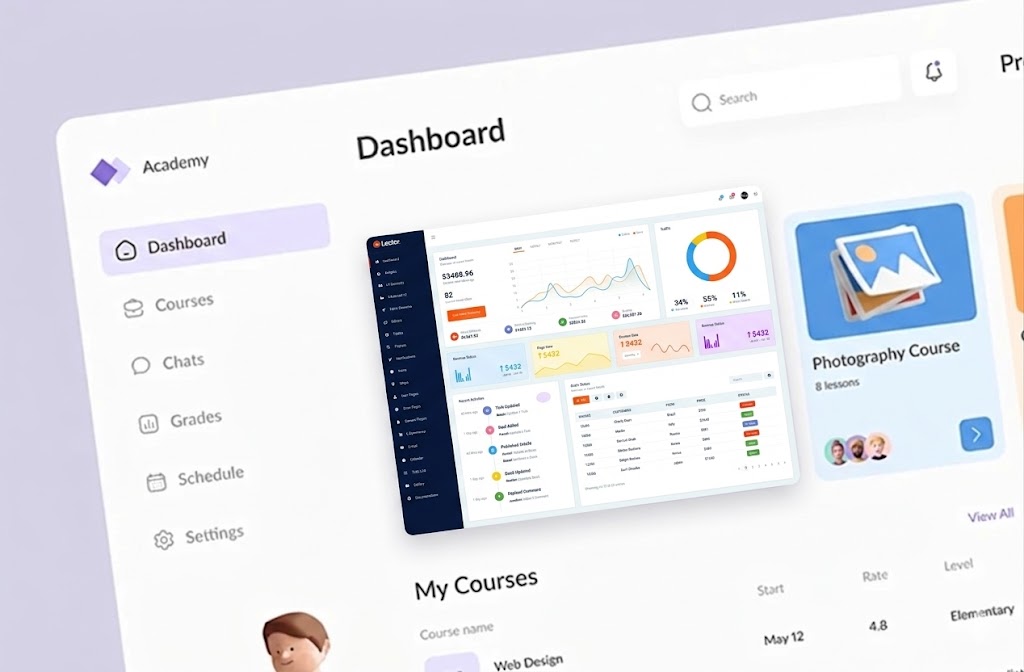
Not a chatbot wrapper. Not a prompt playground. Full-stack applications with AI embedded where it creates value, complete with user management, payment systems, admin panels, and the infrastructure to handle real traffic.
Building an AI proof of concept is relatively easy. You can get a language model to generate impressive output in an afternoon. The hard part, the part that stops most projects, is everything that turns that demo into a product people can actually use.
A prompt in a text box is not a product. Users need guided input flows, clear output formatting, error states, loading indicators, and an interface that doesn’t require them to understand how the AI works. Design matters as much as the model.
A demo that works for 10 test queries often breaks at 1,000 real ones. Edge cases surface. Rate limits hit. Responses take too long. Data formats vary. Building for production means handling every scenario the demo never encountered.
Real applications need user accounts, data storage, access controls, audit trails, and compliance with privacy requirements. The AI model is one component in a larger system that needs to be architected for security, performance, and maintainability.
AI API cost management isn’t an afterthought, costs can spiral quickly without proper architecture. Choosing the right model for each task, caching where possible, optimizing prompt length, and implementing usage limits aren’t afterthoughts, they’re core design decisions that determine whether the product is economically viable.
Most AI projects fail not because the AI doesn’t work, but because nobody built the product around it. The model is 20% of the work. The other 80% is engineering, design, infrastructure, and operational thinking.
Our approach to AI application development follows five phases, each one designed to close the gap between AI capability and production reality.
Every project begins with understanding what the application needs to accomplish and who will use it. We define the core user flow, identify where AI creates genuine value versus where it’s unnecessary complexity, and scope the minimum viable version that delivers real utility. We define success criteria in measurable terms before choosing any tools or models.
We design the full application architecture before writing any code: frontend framework, backend services, database schema, AI model selection, API integrations, authentication, and deployment infrastructure. Every decision is documented and justified.
The AI layer is designed for the specific use case, not bolted on as an afterthought. This means:
The AI shares the same database, the same authentication, and the same error handling as the rest of the system.
We build the complete application, everything a production product needs:
We test against real data and real edge cases before going live. Load testing for performance. Security review for vulnerabilities. User testing for usability issues. After launch, we provide a monitoring and support window to catch any issues that surface with real-world usage.
Card 1: Amazon Appeal Wizard, Legal Services A full-stack AI platform that generates professional legal appeal documents in under 3 minutes. Built with Next.js 14, OpenAI GPT-4o-mini, and a Gemini-powered RAG pipeline searching 46 real successful appeals. Includes a complete admin panel for prompt engineering, template management, version control, and A/B testing.
A contractor verification platform that queries five government databases in parallel, applies an AI-powered risk scoring algorithm, and generates professional PDF reports. Built with React 18, Supabase, Stripe, and Google Gemini. Includes customer and admin dashboards, subscription management, and automated email delivery.

Responsive, production-quality frontend built for your users, not a developer dashboard. Guided input flows, clear output formatting, loading states, error handling, and a design that works on desktop and mobile.
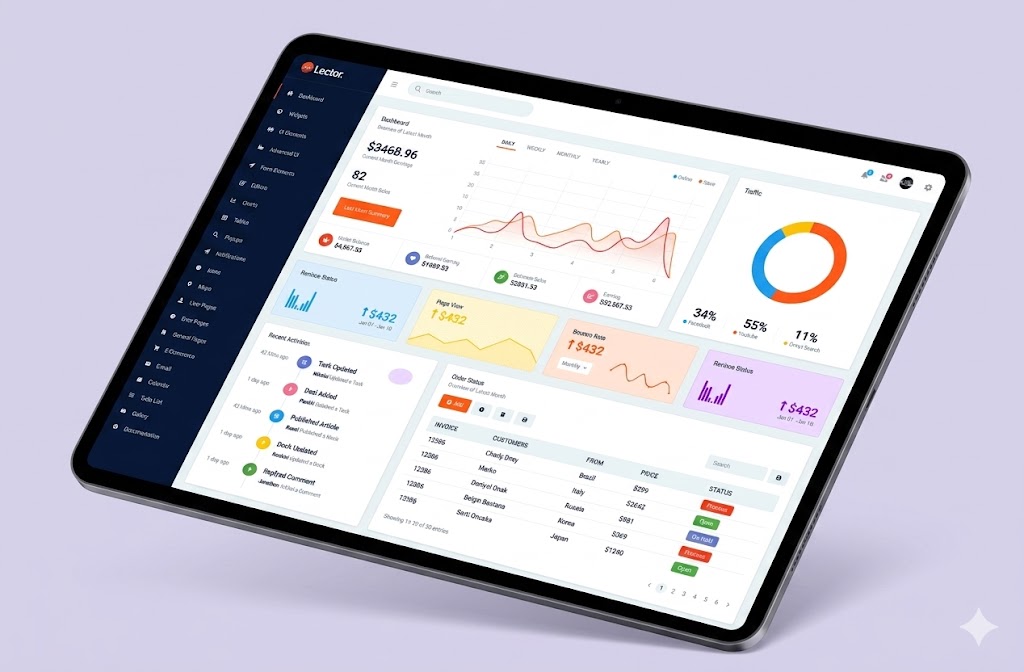
Not a prototype or a proof of concept. A working product on real infrastructure, with real users, handling real data. Deployed to Vercel, AWS, or your preferred platform.
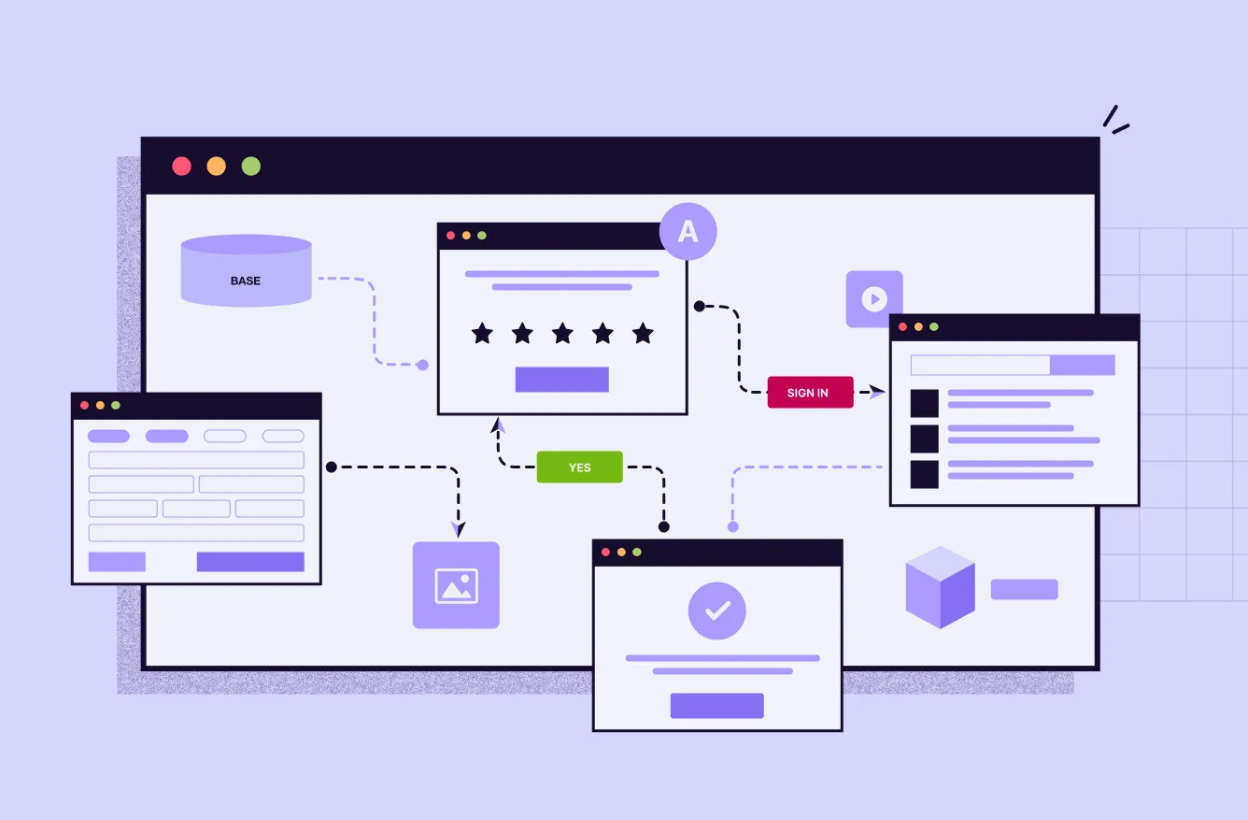
You get the complete codebase. No lock-in, no proprietary frameworks, no dependency on us to keep the lights on. Clean, documented code your team or any competent developer can maintain.
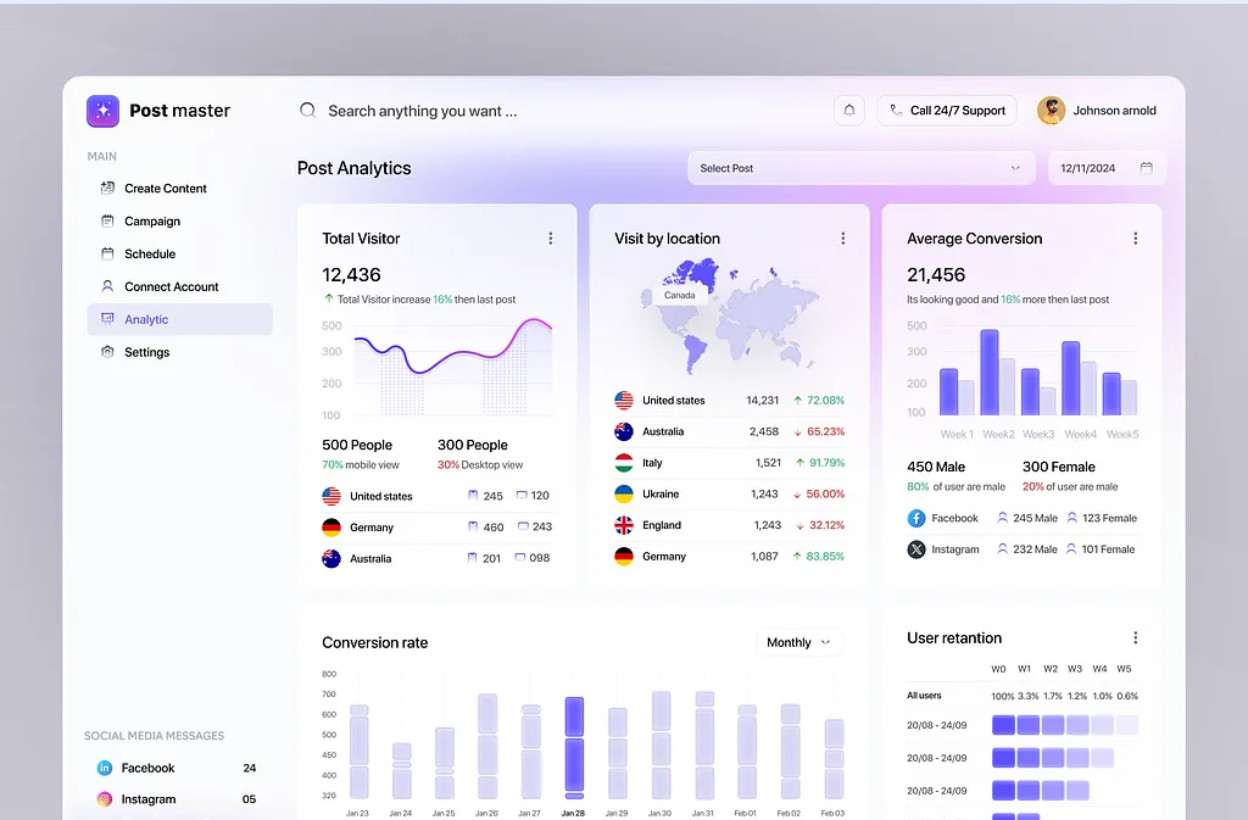
RAG systems built on your documents. Classification models trained on your categories. Prompt templates refined for your use case. Confidence scoring and cost optimization designed for real-world usage patterns, not demo conditions.
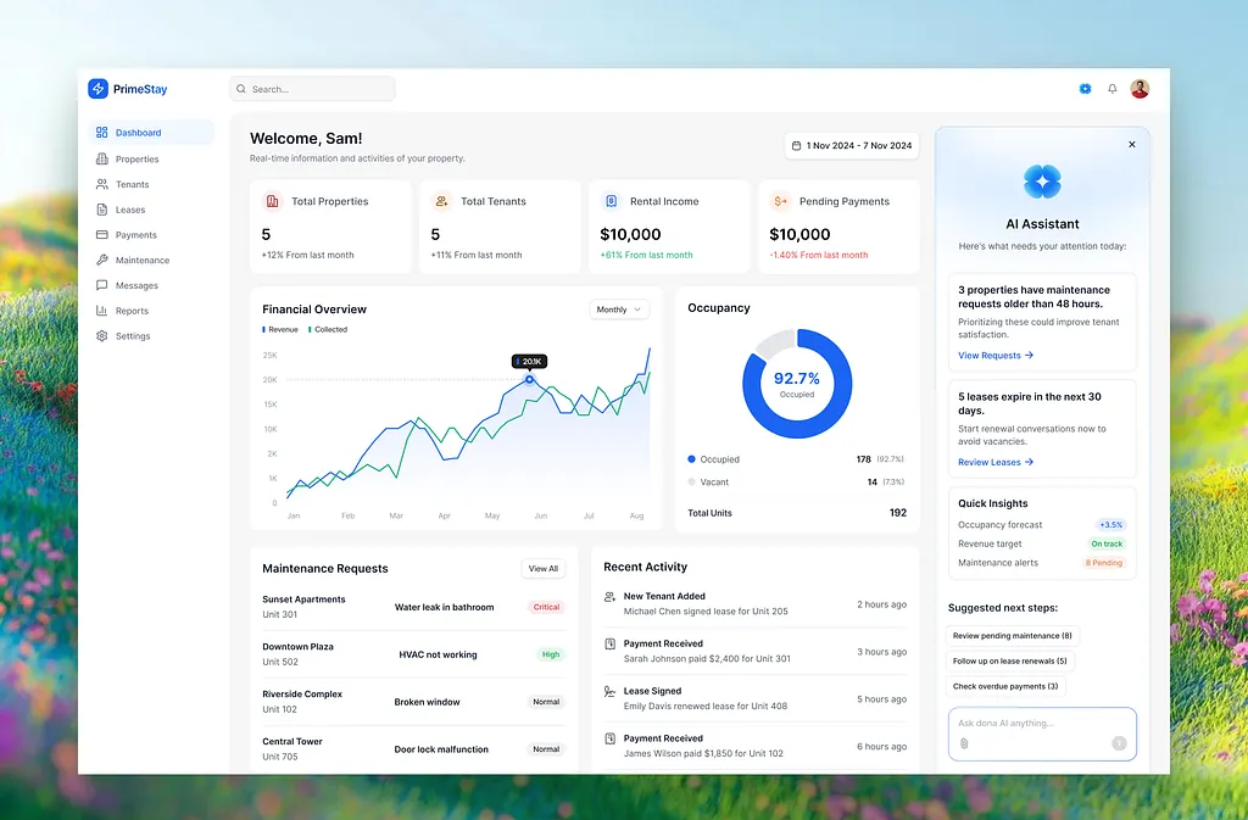
Your team manages AI prompt configurations, templates, model settings, and parameters through a purpose-built admin panel. No tickets. No developer sprints. Direct control over AI behavior.
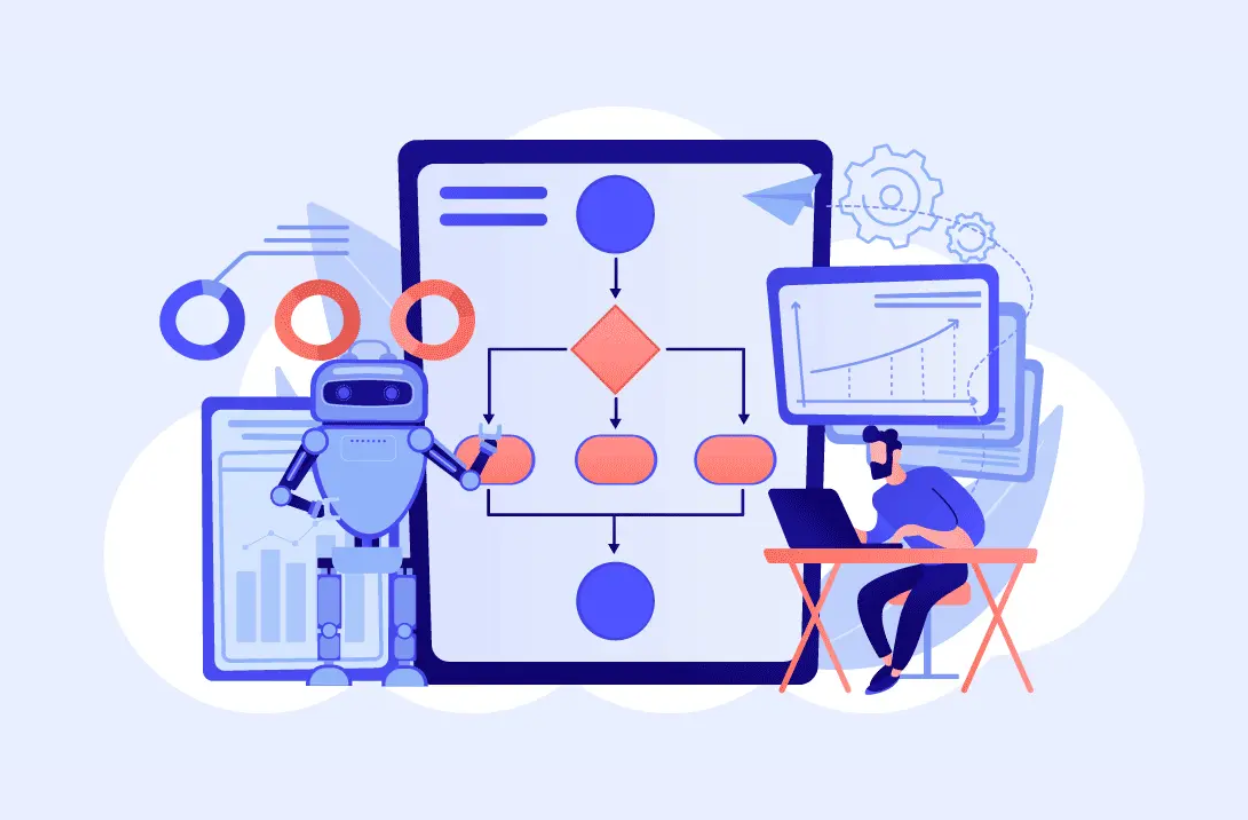
If your application involves paid access, we build the full billing layer, Stripe subscription integration with plan management, credit systems, webhook handling, billing portal.
Architecture documentation, setup instructions, and operational guides. Your team (or your next developer) can understand, maintain, and extend the application independently.
An AI automation agency builds custom systems that automate repetitive business processes using artificial intelligence. This includes workflow automation, AI-powered web applications, document generation, data enrichment pipelines, and intelligent customer service systems. Unlike generic software agencies, we specialize in embedding AI models, like GPT-4o and Gemini, directly into the workflows where they create the most value.
Regular automation follows fixed rules: if X happens, do Y. AI automation adds intelligence to those decision points, it can classify emails by intent, generate documents from context, score risk across multiple data sources, and handle scenarios that don’t fit neatly into if then logic. The result is automation that handles the ambiguous middle ground your team currently manages manually.
Our deepest experience is in legal services, construction, and e-commerce, three industries where we’ve shipped production platforms with published case studies and real metrics. That said, the underlying skills (workflow automation, AI integration, full-stack development) apply across industries. If your business has repeatable processes involving data, documents, or communication, we can likely help.
It depends on the scope. A focused workflow automation connecting a few tools is a different investment than a full-stack AI web application with user management, payments, and admin panels. We scope every project in detail before quoting, you’ll know the exact cost, timeline, and deliverables before any work begins. No vague estimates.
Most projects ship in 2 to 8 weeks depending on complexity. A workflow automation connecting existing tools might take 2-3 weeks. A custom AI web application with RAG pipelines, user authentication, and payment infrastructure typically takes 4-8 weeks. We scope tightly and build in phases so you see working progress throughout.
No. Most of our clients come to us with a business problem, not a technical spec. You describe the process that’s eating your team’s time, we handle the technical translation, architecture decisions, and implementation. Our discovery call is designed to bridge that gap in 30 minutes.
We build with a modern, proven stack: React, Next.js, and TypeScript for frontends; Supabase, PostgreSQL, and AWS for backends; OpenAI GPT-4o and Google Gemini for AI; n8n and Make.com for workflow orchestration; and Stripe for payments. We choose tools based on what the project needs, not what’s trending.
Yes. Every project includes full source code ownership, documentation, and handover. There’s no lock-in, no proprietary frameworks, and no dependency on us to keep things running. Your team, or any competent developer, can maintain and extend what we build.
We’ll tell you. We’ve turned down projects where automation would create more complexity than it solves. The discovery call is free and takes 30 minutes, even if the answer is “not yet,” you’ll walk away with a clearer picture of what’s possible and when it makes sense to revisit.
Book a free discovery call. It’s a 30-minute conversation where you walk us through the problem and we give you an honest assessment. If there’s a fit, we’ll send a scoping proposal within a few business days, scope, timeline, and cost. No obligation either way.
We’ve shipped AI applications that handle live cases, process real payments, and serve actual users. If you need the same, we should talk.