.svg)
Workflow automation connects your tools. Business process automation rethinks the operation. We build systems where AI handles the decisions, the data transformation, and the multi-step logic that used to require a team.
Most businesses start their automation journey by connecting two tools. That's useful. But it doesn't change the underlying process. The real cost isn't in the individual steps — it's in the chain of decisions, handoffs, data lookups, and human approvals that make up a complete business operation.

Task automation removes a step. Process automation removes the need for a person to be involved at all, except where their judgment genuinely matters. Automating the copy-paste between step 3 and step 4 saves minutes. Rebuilding the entire sequence so that steps 3 through 7 happen without human involvement saves headcount.
Consider a typical operations process: a customer places an order. Someone checks inventory. Someone verifies the shipping address. Someone calculates the delivery estimate. Someone generates a confirmation email. Someone logs the order in the CRM. That's seven manual touches for a single order — and every one of them follows rules that a system could apply.
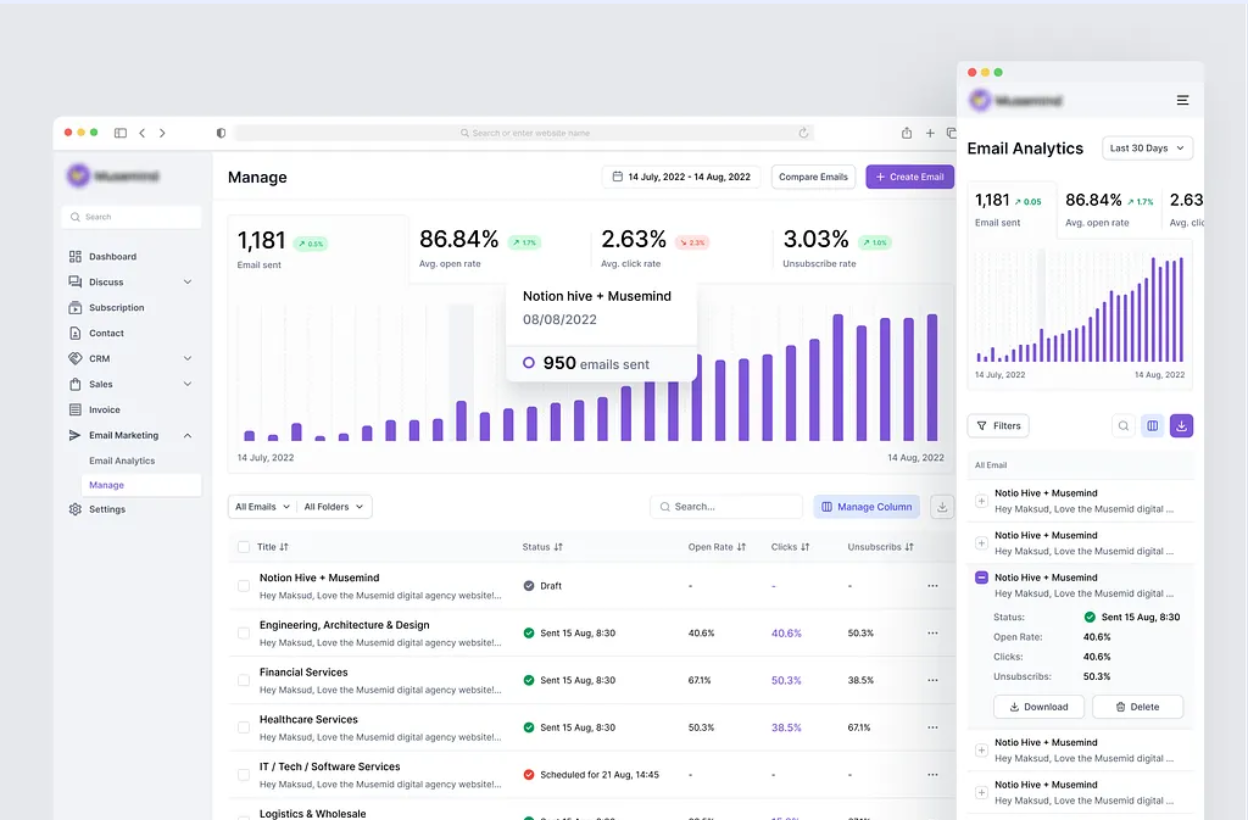
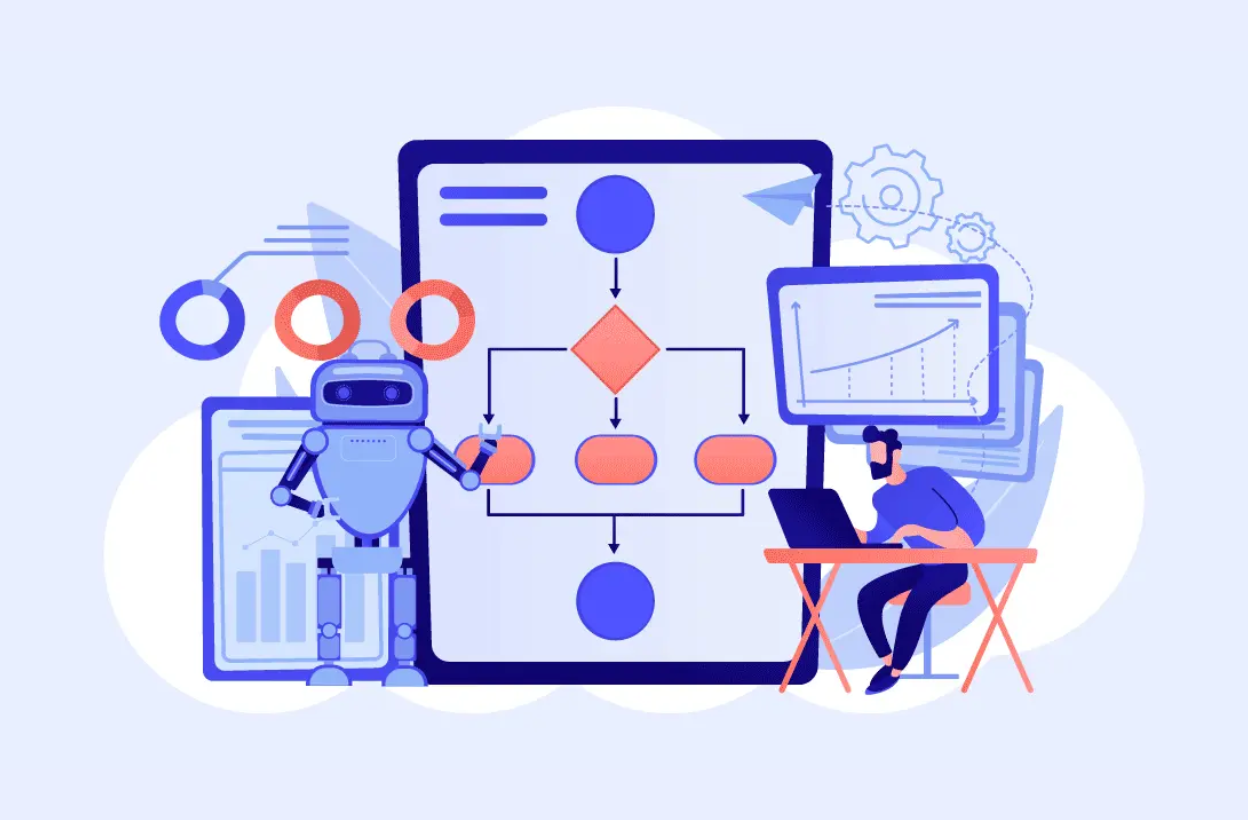
Most operational inefficiency isn't in a single step. It's in the gaps between steps, the handoffs between people, the decisions that should be automated but aren't, and the feedback loops that don't exist. Business process automation redesigns the entire process from trigger to outcome — mapping every step, decision point, exception path, and feedback loop.
.png)
This process audit and mapping exercise starts with the full picture: every input, every decision point, every exception, every handoff. Not the idealized version, the real sequence, including the workarounds and edge cases. We identify where humans add real value (judgment calls, relationship management, creative decisions) and where they’re acting as a bridge between systems that should be talking to each other directly. The goal is a clear map of what stays manual, what gets automated, and what gets eliminated entirely.
Not every step should be automated. Some steps require human judgment. Some are too infrequent to justify the build cost. We map each step against three criteria to determine automation ROI: volume (how often it happens), complexity (how much judgment it requires), and impact (what it costs when it’s slow or wrong). The highest-scoring steps get automated first.
We design the end-to-end automated process before building anything, data flows, integration points, escalation logic, monitoring, and the human touchpoints that remain by design. You approve the architecture before we write a line of code.
The step change with modern BPA is AI-powered decision-making. Five years ago, automation could follow rules: if X, then Y. Today, it can handle the ambiguous middle ground. An incoming customer email isn’t just routed by keyword, it’s classified by intent, language, urgency, and sentiment. A contractor’s credentials aren’t just checked against a single database, they’re scored across five sources with weighted risk factors. An appeal document isn’t just filled from a template, it’s generated with context retrieved from a library of successful precedents.
We embed AI models, GPT-4o, Gemini, or purpose-built classifiers, directly into the decision points of your process, so the automation handles scenarios that used to require a trained employee to evaluate.
We don’t try to automate everything at once. We work in phases, starting with whatever delivers the most value with the least risk. Each phase gets deployed, tested, and confirmed before the next one starts. This reduces risk and lets you see measurable results early.
A process automation that requires manual setup or manual follow-up isn’t really automated. We build end-to-end: from the trigger (an incoming email, a form submission, a webhook, a scheduled event) through every processing step (data collection, enrichment, AI analysis, transformation) to the final output (a generated document, a sent email, a database record, a notification).
Every automated process includes logging, alerting, and audit trails from day one. You can see what the system did, why it made each decision, and where it flagged uncertainty. We track throughput, error rates, escalation frequency, and time savings so you can see exactly what the automation is delivering, and where it can be improved.
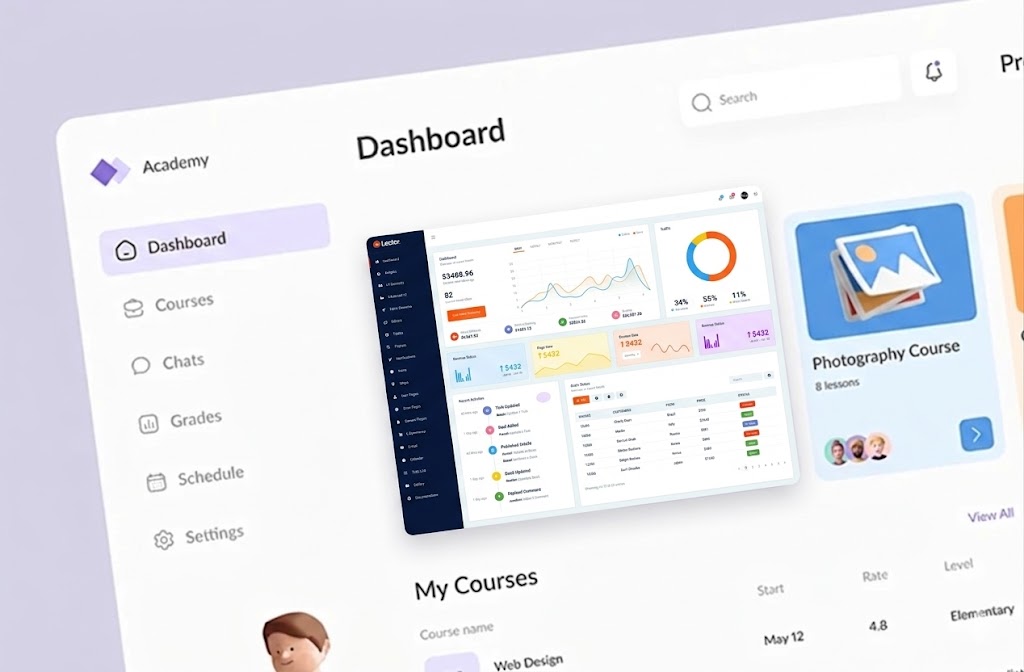
The output is a system that handles an entire business operation from trigger to completion, not a set of disconnected automations you need to stitch together yourself.
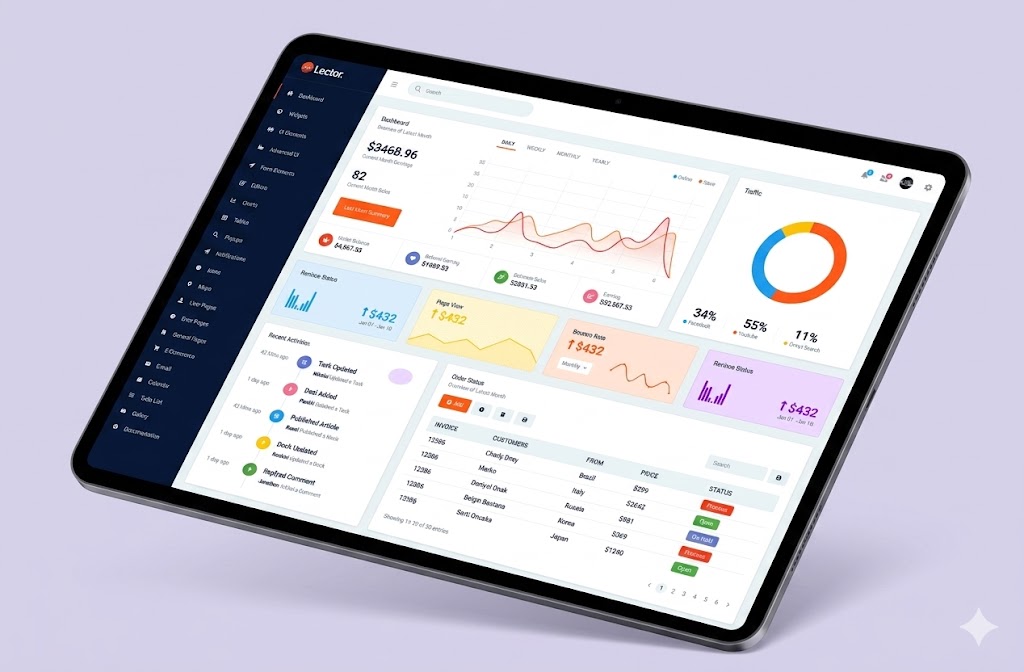
Where your process requires evaluation, classification, or judgment that goes beyond simple rules, we embed AI models directly into the pipeline. The system makes informed decisions at speed, and escalates when confidence is low.
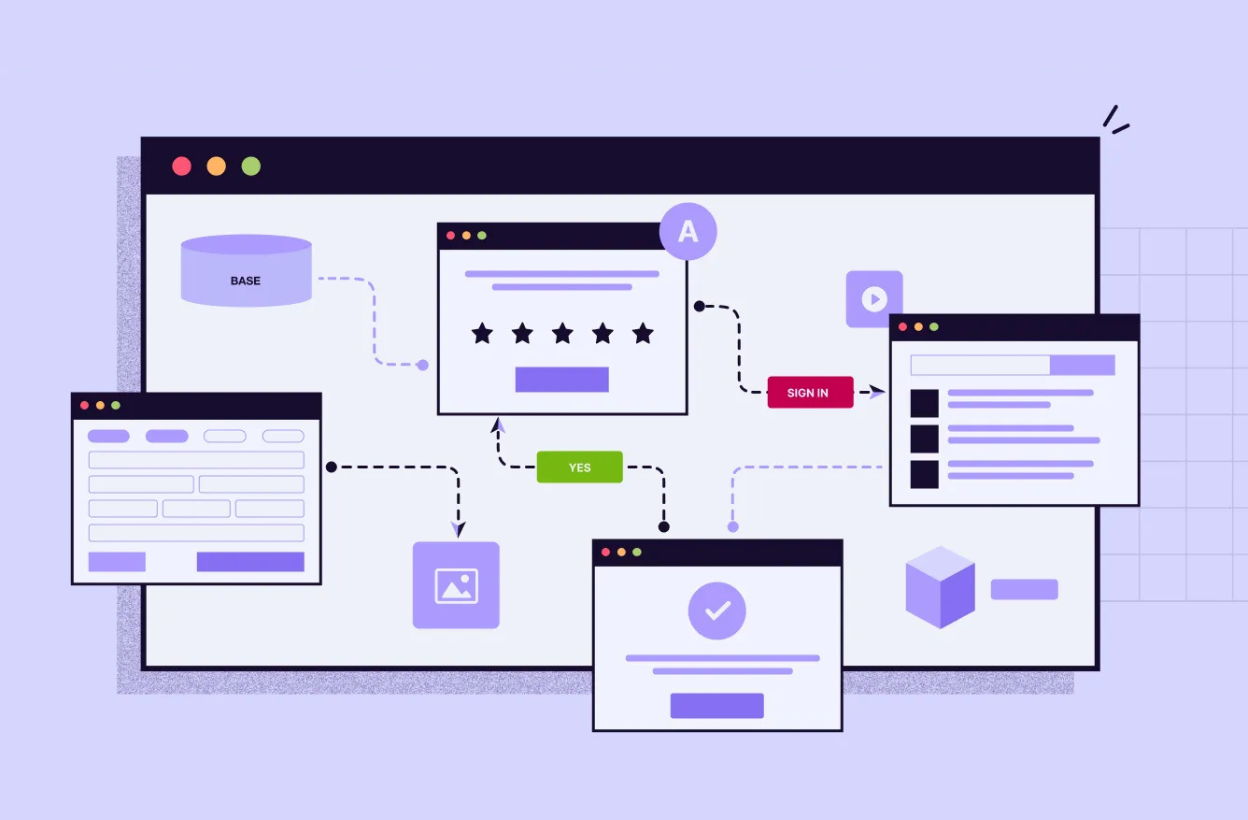
We connect to your current tools, CRMs, e-commerce platforms, databases, email systems, payment processors, document storage. The automation works within your existing infrastructure.
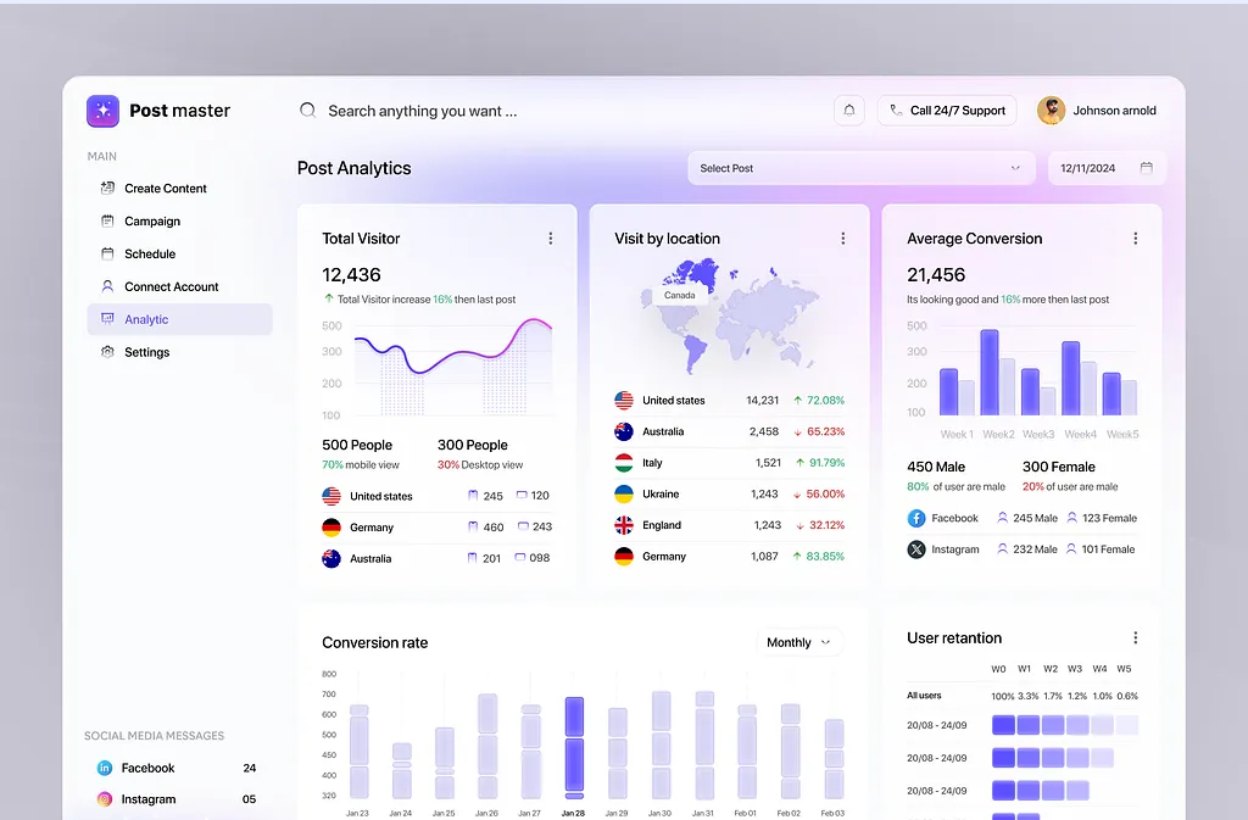
Every decision the system makes is logged with the reasoning behind it. Dashboards, alerts, and exportable logs so you maintain full visibility into automated operations.
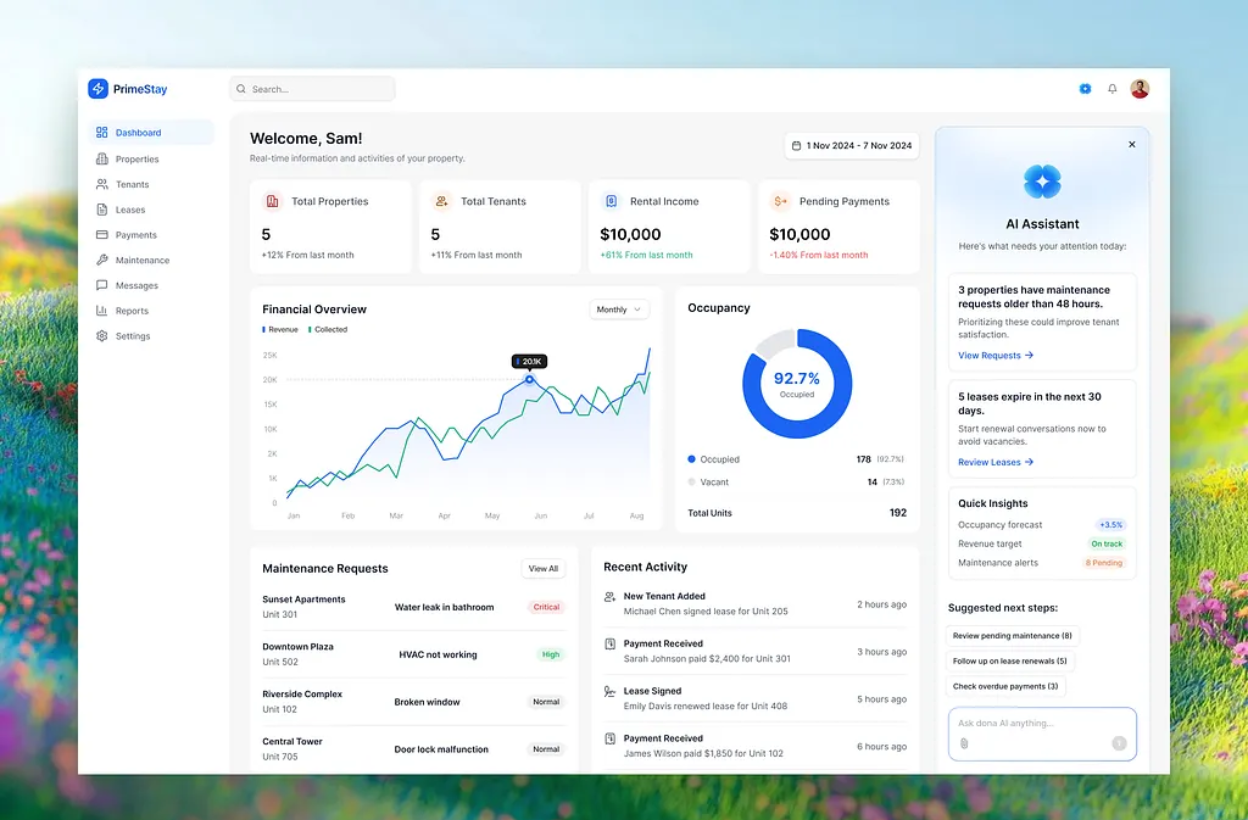
A process that takes 10 minutes manually takes 10 minutes whether you run it once or a hundred times. An automated process that takes 30 seconds runs the same at any volume. We build for the volume you're heading toward, not just where you are today.
Built-in handling for failures, unexpected inputs, and edge cases. Retry logic, fallback paths, and failure alerts built into every workflow. When something lands outside the automated path, it gets handed to the right person with full context, nothing disappears quietly.
An AI automation agency takes the repetitive, time-consuming parts of your business and builds systems that handle them automatically. That could mean workflow automation, custom AI web apps, document generation, data pipelines, or customer service systems that actually make sense, whatever your operation needs. We’re not your typical software agency, we specialize in baking AI models like GPT-4o and Gemini directly into the workflows where they matter most.
Regular automation follows fixed rules: if X happens, do Y. AI automation adds intelligence to those decision points, it can classify emails by intent, generate documents from context, score risk across multiple data sources, and handle scenarios that don’t fit neatly into if then logic. The result is automation that handles the ambiguous middle ground your team currently manages manually.
Our deepest experience is in legal services, construction, and e-commerce, three industries where we’ve shipped production platforms with published case studies and real metrics. That said, the underlying skills (workflow automation, AI integration, full-stack development) apply across industries. If your business has repeatable processes involving data, documents, or communication, we can likely help.
Pricing varies, a lot. The scope of your project is really what drives the number. A focused workflow automation connecting a few tools is a different investment than a full-stack AI web application with user management, payments, and admin panels. We scope every project in detail before quoting, you’ll know the exact cost, timeline, and deliverables before any work begins. No vague estimates.
Most projects ship in 2 to 8 weeks depending on complexity. A workflow automation connecting existing tools might take 2-3 weeks. A custom AI web app, RAG pipelines, auth, payments, usually lands somewhere between 4 and 8 weeks. We scope things tightly and build in phases, so you're seeing real progress the whole way through, not just a big reveal at the end.
No. Most of our clients come to us with a business problem, not a technical spec. You describe the process that’s eating your team’s time, we handle the technical translation, architecture decisions, and implementation. Our discovery call is designed to bridge that gap in 30 minutes.
Our stack is modern but not flashy, React, Next.js, and TypeScript on the frontend; Supabase, PostgreSQL, and AWS on the backend; GPT-4o and Gemini for the AI layer; n8n and Make.com for automations; Stripe for payments. We pick tools that fit the project, not whatever's getting hype right now.
Yes, fully. You get the complete source code, proper documentation, and a clean handover. No lock-in, no proprietary black boxes, and no reason to keep coming back to us just to keep the lights on. Your team, or any competent developer, can maintain and extend what we build.
We’ll tell you. We’ve turned down projects where automation would create more complexity than it solves. The discovery call is free and takes 30 minutes, even if the answer is “not yet,” you’ll walk away with a clearer picture of what’s possible and when it makes sense to revisit.
Book a free discovery call. It’s a 30-minute conversation where you walk us through the problem and we give you an honest assessment. If there’s a fit, we’ll send a scoping proposal within a few business days, scope, timeline, and cost. No obligation either way.
Book a quick 20 minute call with our CEO Muneeb and we'll figure out exactly where we can help.
Empowering businesses with innovative solutions. Let’s create something amazing together.


