.svg)
We build automations in n8n, migrate the ones you are overpaying for elsewhere, and hand them back as files you can export, read and run without us. You keep the instance, the credentials and the data.
Most teams arrive at n8n for one of three reasons, and all three are about a ceiling they have already hit.
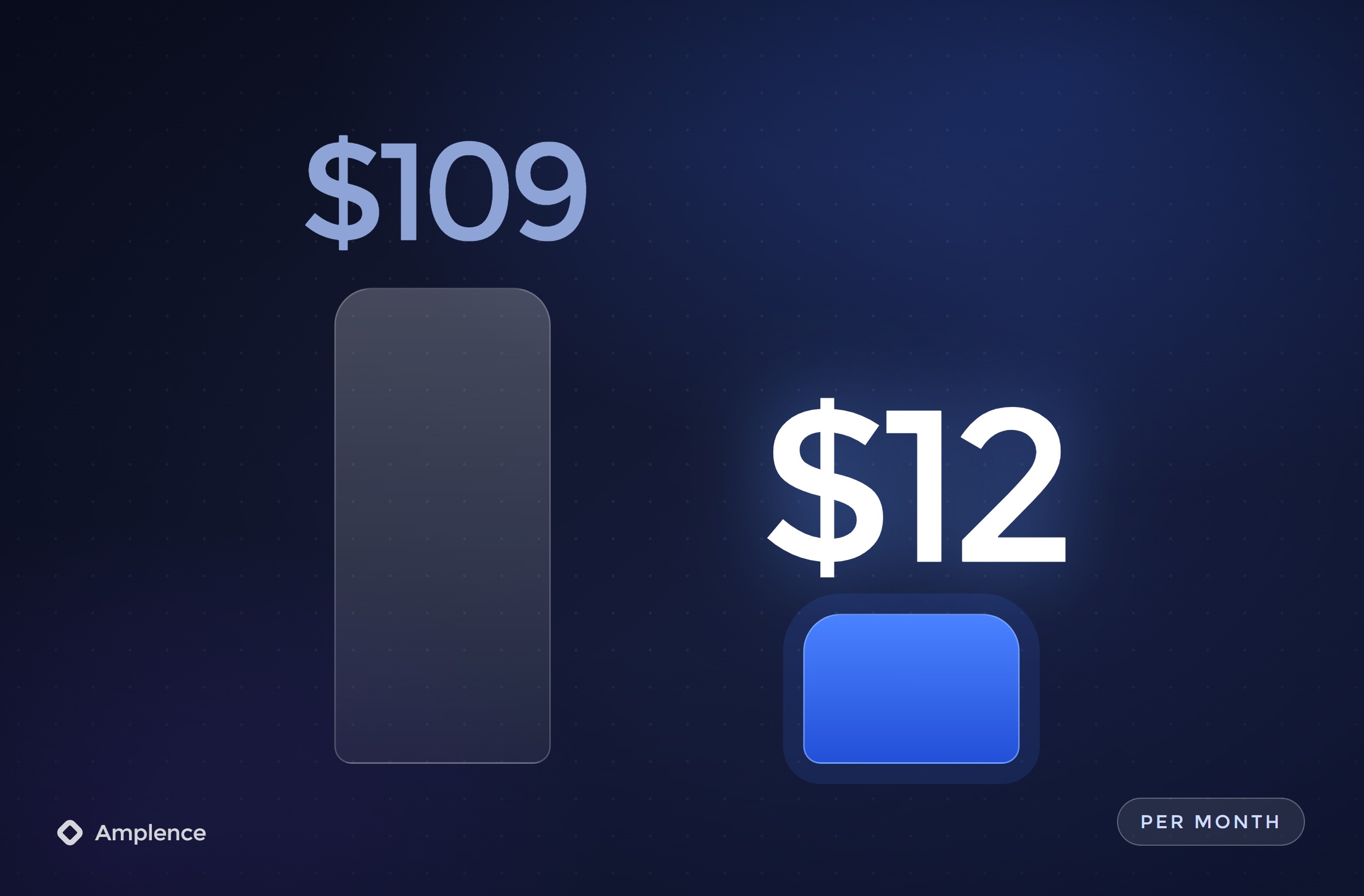
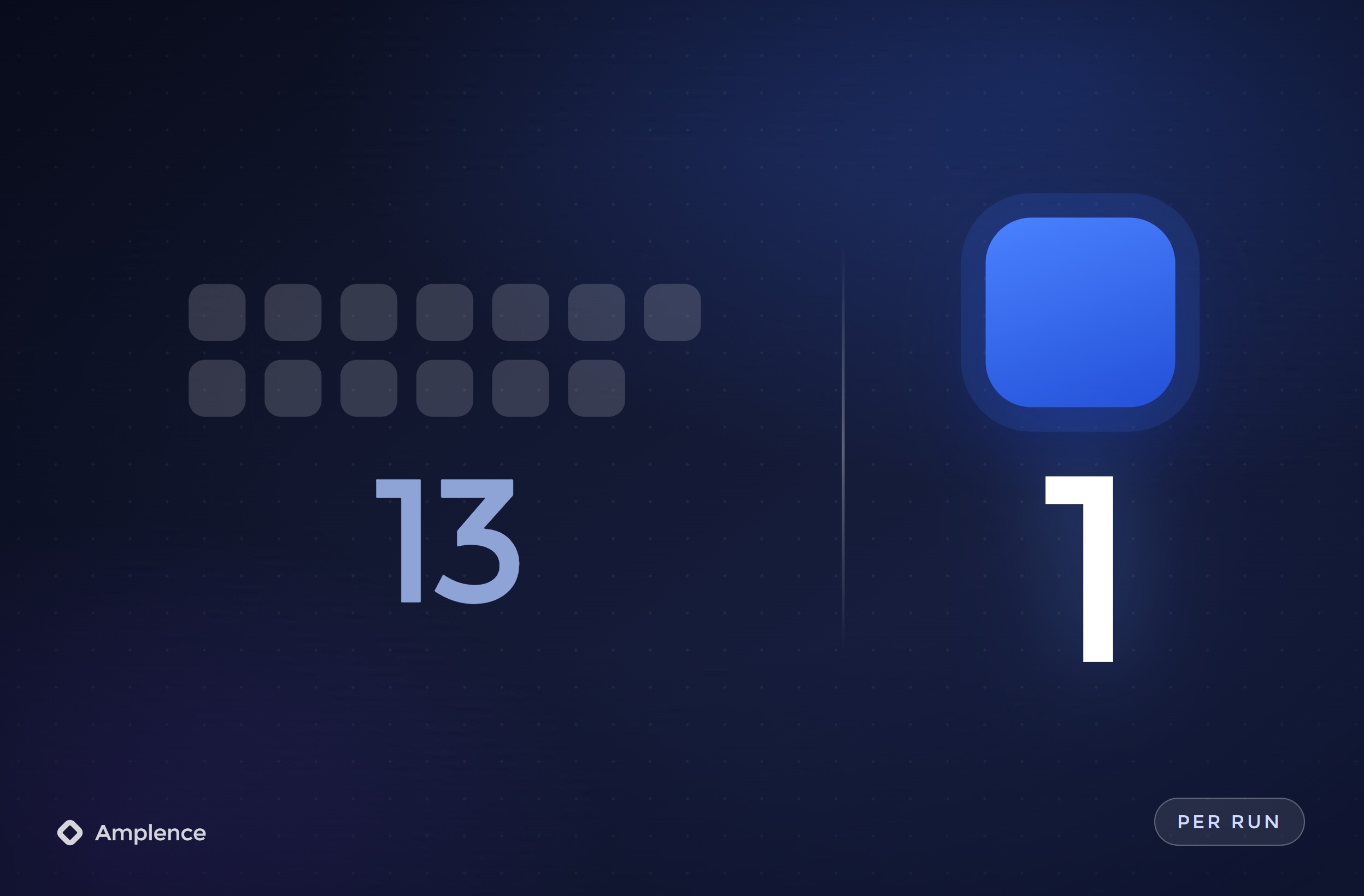
The first is the bill. Zapier and Make charge per step, so a workflow that does thirteen useful things costs thirteen operations every time it runs. n8n charges per execution, so the same workflow costs one. We migrated a client pipeline of roughly 90,000 monthly operations that had reached about $109 a month with extra credit packs. Rebuilt in self-hosted n8n, it ran on a $12 server with unlimited executions, and we told them to budget about two hours a month of maintenance, because that part is real. The full comparison has the numbers and the cases where staying on a managed platform is the better deal.
The second is the ceiling on logic. Branching, retries, data transformation, a real API call with a header you control, a step that runs only on Fridays. The moment a workflow needs judgment about what to do next, most no-code tools ask you to bolt on a second tool.
The third is that n8n is already running and nobody owns it. Someone built five workflows, left, and now they fail quietly. Our ROI calculator puts a number on the hours before you commit to fixing that, and the three costs below are what we find when we open an account that has been running unattended.

A lead that arrives, gets enriched, scored, written to a CRM, posted to Slack and acknowledged by email is one job to you and about a dozen billable operations to a per-step platform. The cost scales with how carefully the workflow is built, which is exactly backwards: the more thorough your automation, the more you pay for it. In n8n that whole sequence is a single execution, and the bill stops tracking the node count.
A workflow with no error path does not stop when something breaks. It carries on with an empty field, writes a blank record, or simply ends. The lead is gone, the ticket is unanswered, and nothing in your inbox says so. A quiet week and a broken webhook look identical from the outside. Every branch needs somewhere to fail to, and a person at the end of it, or you will find out from a customer.
Adding a model to a workflow is easy, which is the problem. Most templates let the model choose the route and write to the customer, so a probabilistic system ends up holding a business rule. The rule we build to instead is arithmetic: an action runs unsupervised when its error rate times the cost of a mistake is below the cost of a two-minute review, about 73 cents at a $22 loaded hour. Everything above that line gets drafted for a person, and the routing stays in code where you can change it on a Tuesday.
We start with the process and the volume, not the canvas. The tool is already chosen when you come to us for n8n work, so the questions that matter are what runs, how often, and what happens when it goes wrong.
What triggers it, what each step needs, where a person must stay in the loop, and how many times a month it will fire. The run count decides the hosting and the model choice, so we get it before anything is built. This is also where we find the steps that should not be automated at all.
Self-hosting on a small server gives you unlimited executions for a fixed monthly cost, and it gives you a server to maintain. Managed n8n costs more per run and nothing to look after. At a few hundred runs a month, managed usually wins. At tens of thousands, the server pays for itself many times over. We tell you which side of that line you are on before you spend anything.
Nodes renamed so the canvas reads like a sentence. Retries and timeouts on every external call. Anything allowed to fail is marked as such, and the workflow is told what to do when it does. Every failure path ends at a person with the reason attached, never at silence. The values you will want to change live in one settings node, so a policy edit is a field, not a rebuild.
Model calls go through a plain HTTP Request node rather than a vendor node, because the HTTP node's shape has not changed in years while AI nodes get rewritten every few months, and because it keeps you free to change provider. The model returns JSON that matches a schema, your code reads it and decides the route, and anything that is not a clean answer goes to a person. The guardrails article sets out the threshold we use.
Workflows ship with sample data pinned to the trigger, so the whole thing runs end to end before a real customer or a real lead touches it. After deployment we watch the executions, count the failure reasons weekly, and fix the most common one. Then you get the JSON export, the credential list and a page of documentation. You can read our lead qualification build and our Shopify support build in full, with the templates, before you decide whether to hire us.
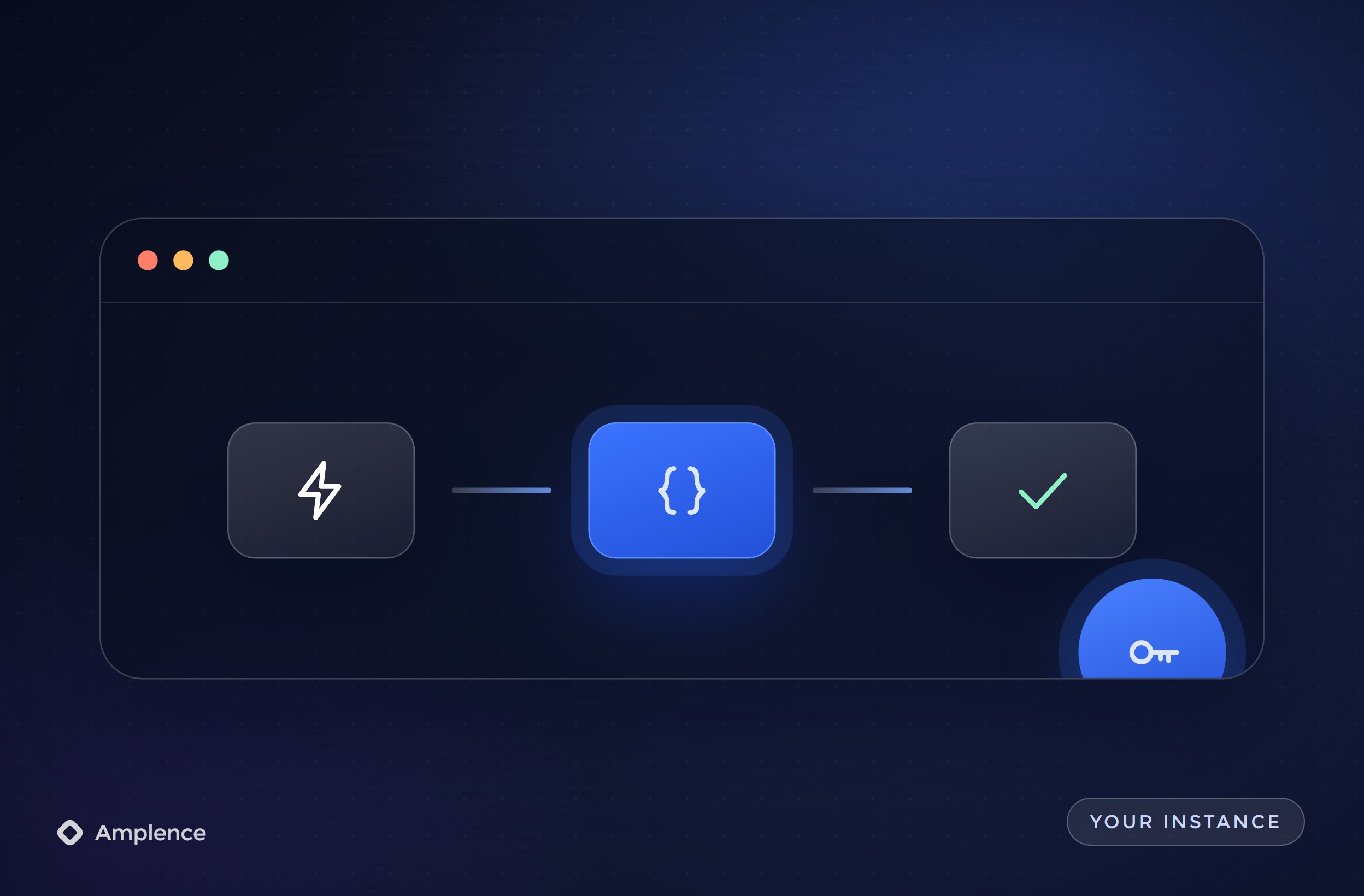
Not a demo on our account. Production workflows in your instance, on your credentials, moving your data, with you as the owner from the first day.
We size the hosting against your real run count and tell you whether self-hosted or managed is cheaper for you, including the maintenance hours a server actually costs.
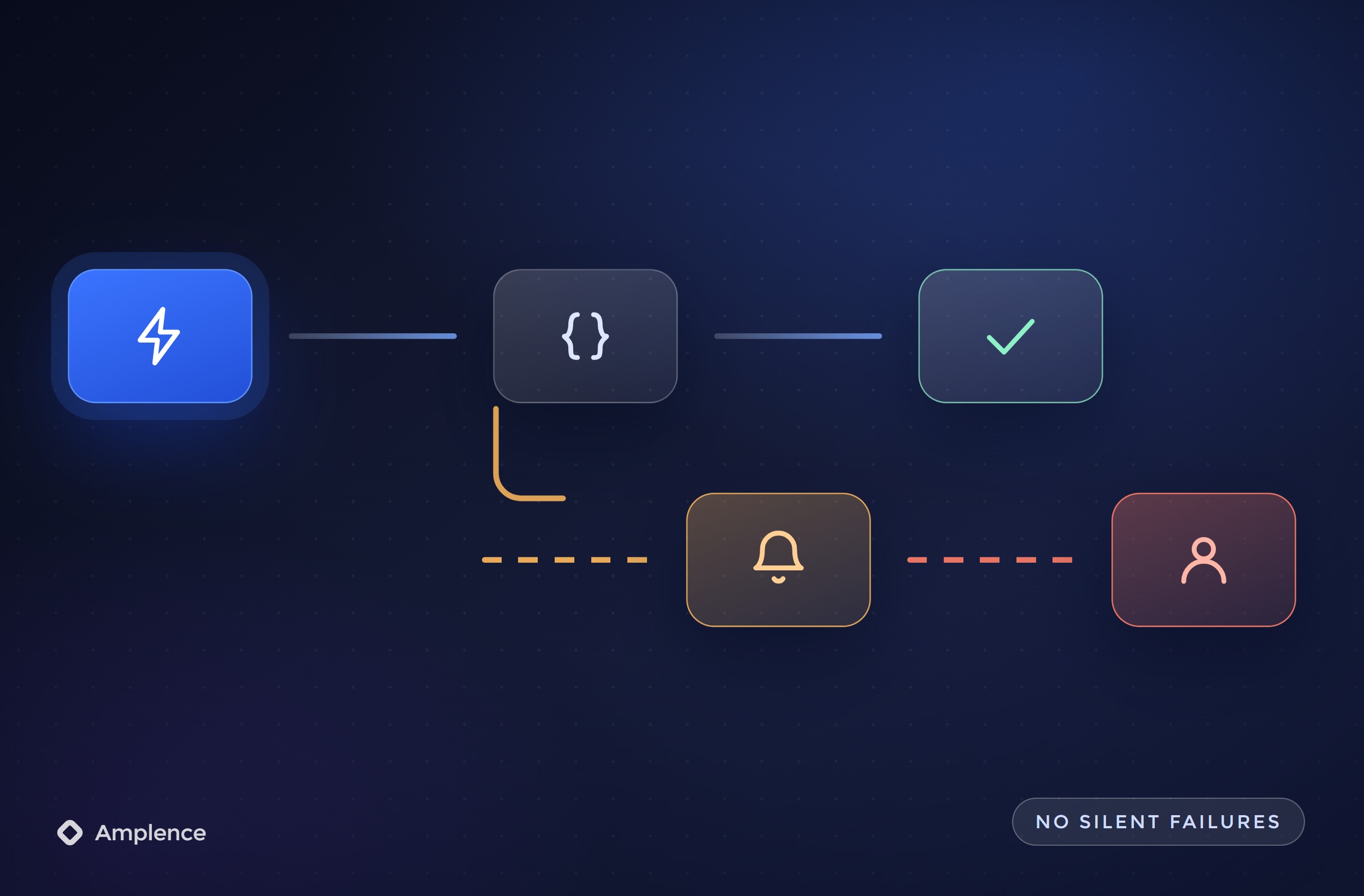
Retries, timeouts, and a named place for every failure to land, with the reason attached. Nothing in a workflow we build can fail silently and look like a quiet week.
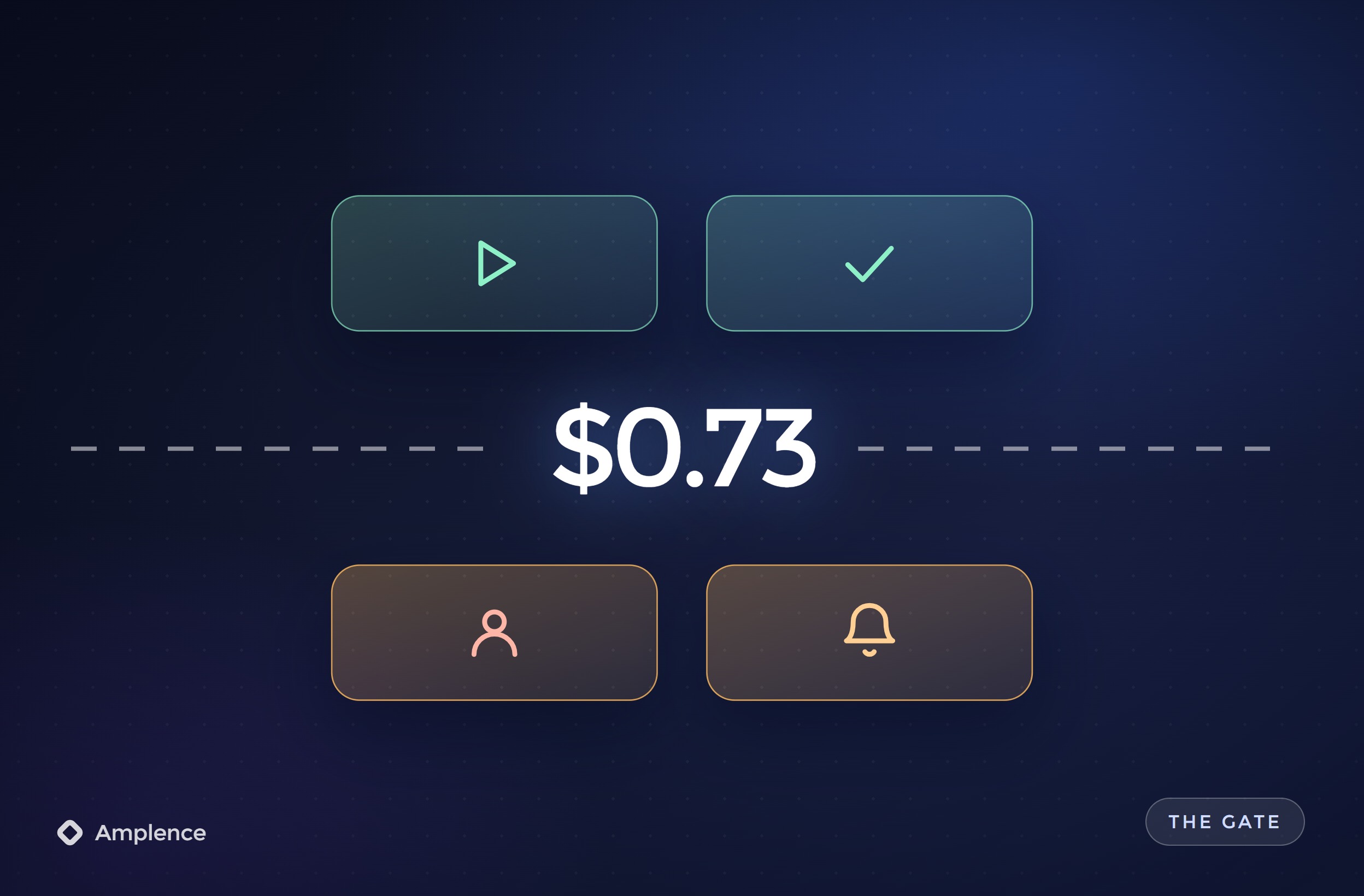
The model answers in a fixed JSON format. Your code decides what happens next, and anything costlier than a two-minute review waits for a person to release it.
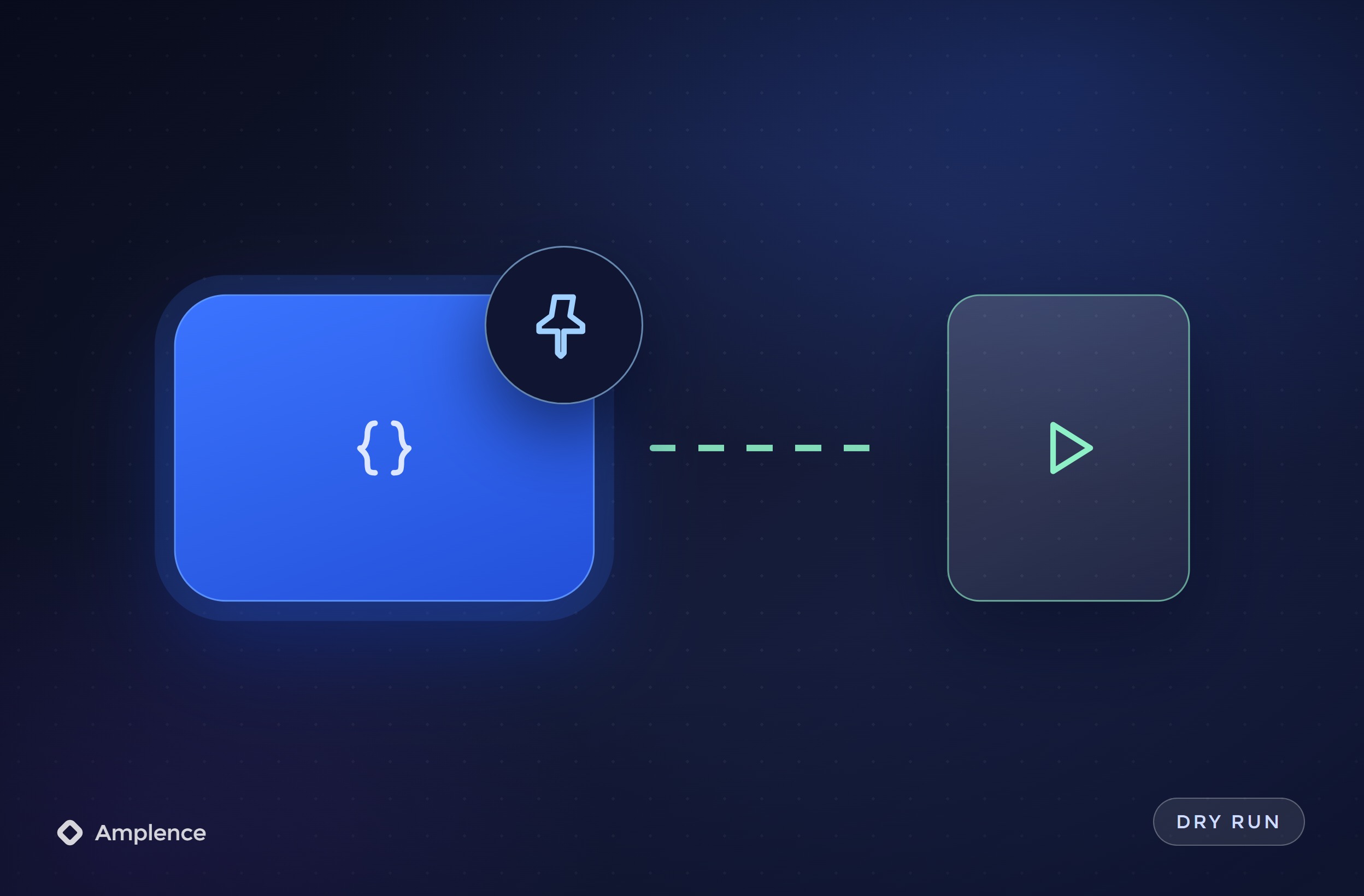
Every workflow carries a pinned example on its trigger, so you can run the whole thing end to end and see each step's output before it touches a real customer.
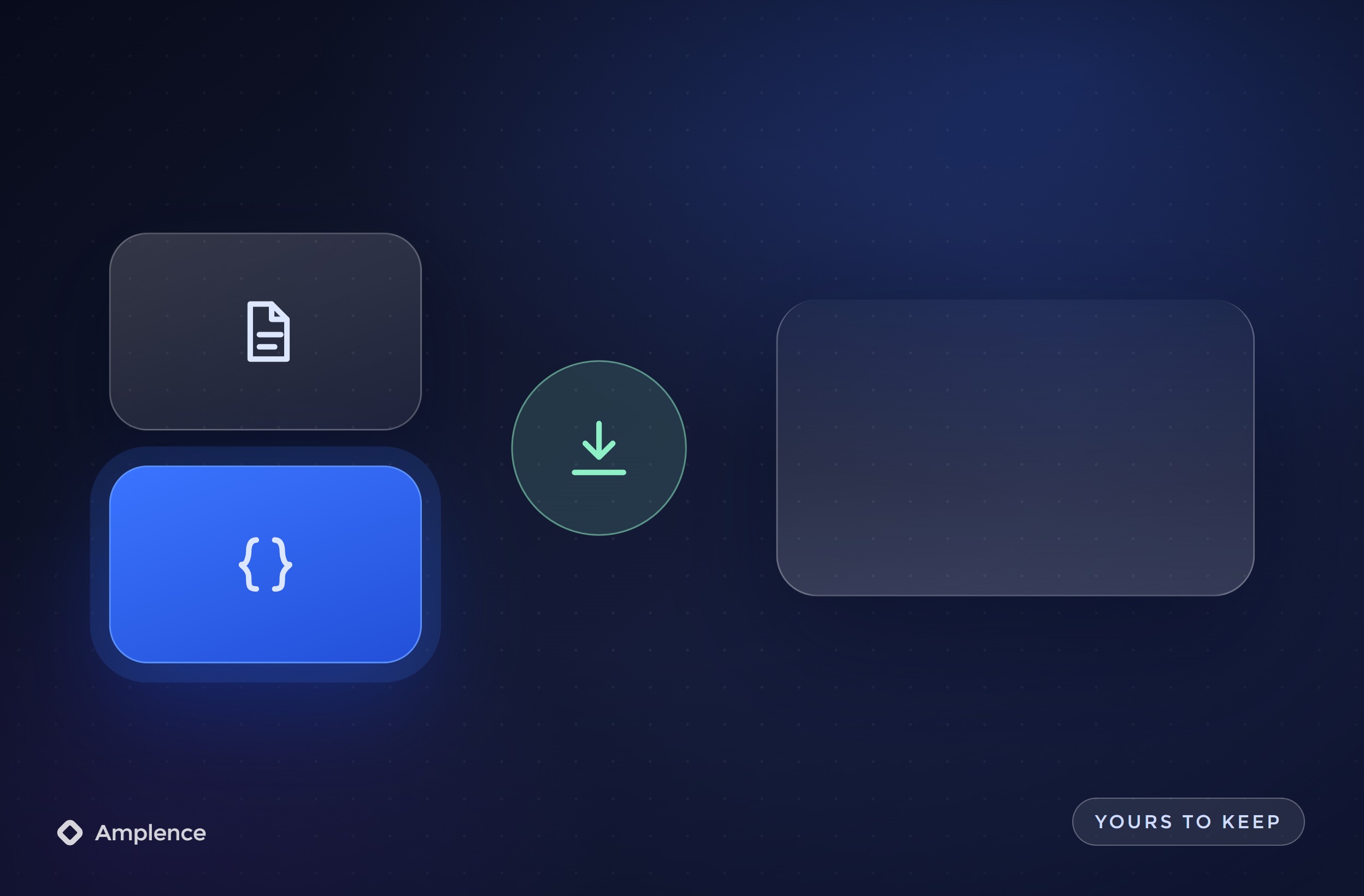
The workflow JSON, the credential list and written documentation of every trigger, branch and decision point, so your team can run and change it without calling us.
Three things, usually in this order: build new workflows in n8n, migrate workflows you are overpaying for on a per-step platform, and take over an n8n instance somebody else left behind. In every case the work includes the parts people skip, which are error handling, alerting, a settings node you can edit without a developer, and documentation good enough that your team can maintain it.
It depends on your run count, and we will tell you which side of the line you are on before you spend anything. Self-hosting gives unlimited executions for a fixed server cost, around $12 a month for a small instance, plus roughly two hours of maintenance. Managed n8n costs more per run and needs no attention. At a few hundred runs a month, managed is usually the better deal. At tens of thousands, self-hosting pays for itself many times over.
Yes, and it is the most common reason people call us. We rebuild rather than convert, because a per-step automation is usually shaped around the billing rather than around the job. One client pipeline of about 90,000 monthly operations was costing around $109 a month with extra credit packs; rebuilt in self-hosted n8n it ran on a $12 server with unlimited executions. Your saving depends on your volume and node count, and we will estimate it from your real numbers first.
Yes. They live in your n8n instance on your credentials, and you get the JSON export, so there is no version of this where you have to keep paying us to keep your automation running. Two of our production workflow designs are published in full on our blog with the templates attached, which is the same thing we hand over to a client.
That is most of the work. The model returns JSON in a fixed schema, your code reads it and decides what happens, and the routing never sits with the model. Actions costing more than a two-minute review are drafted for a person instead of sent. If you sell into the EU, Article 50 of the AI Act has required since August 2026 that people are told when they are dealing with an AI system, so the disclosure line is a field in your settings rather than an afterthought.
Book a 20-minute call with our CEO Muneeb. Bring one workflow and its monthly run count, and we will tell you what it costs to build and to run.
Practical systems that reduce manual work, lower costs, and help teams scale.


