.svg)
We build AI automation systems that help healthcare teams reduce manual admin work, streamline patient communication, organize operational workflows, and improve day-to-day efficiency without adding more complexity.
Healthcare teams do not only lose time during appointments. A lot of operational pressure happens before and after the patient interaction: intake forms, appointment coordination, follow-up messages, document handling, staff questions, billing support, and repetitive admin work.
AI automation in healthcare helps reduce that manual load by turning repeated workflows into structured systems. Instead of staff copying information between tools, chasing missing details, or answering the same operational questions again and again, healthcare workflow automation can help organize the process and keep teams focused on higher-value work.
For clinics, medical practices, and HealthTech teams, the goal is not to replace human care. The goal is to remove avoidable friction from the workflows around care.

A patient intake process often starts simple, but quickly becomes manual when staff need to review forms, check missing details, organize records, and route information to the right person.
AI automation for healthcare can help structure intake data, flag incomplete submissions, summarize patient requests, and prepare cleaner handoffs for the team. This makes the first step of the patient journey faster and easier to manage.
Healthcare teams often spend hours handling appointment reminders, follow-up instructions, general service questions, and status updates.
AI healthcare automation can support patient communication workflows by sending timely reminders, routing common questions, preparing response drafts, and helping patients find the right next step without adding more pressure on front-desk or admin staff.
As patient volume grows, small manual tasks become bigger bottlenecks. Data entry, document sorting, internal task routing, reporting, and follow-up tracking can quietly consume hours every week.
Healthcare business process automation helps teams create repeatable systems for these workflows, so operations become more consistent, easier to monitor, and less dependent on manual coordination.


AI automation in healthcare is most useful when it improves the workflows around patient care, not when it tries to replace clinical judgment. The real value comes from helping healthcare teams reduce manual work, improve coordination, and move routine tasks through a more reliable system.
For clinics, medical practices, and HealthTech teams, the strongest opportunities usually come from patient intake, communication workflows, document handling, internal task routing, and admin operations. This is where healthcare workflow automation can create measurable efficiency without making the process more complicated.
Many healthcare teams still spend too much time collecting, organizing, and reviewing patient information across disconnected steps. AI automation for healthcare can help structure intake data, highlight missing details, summarize patient requests, and route information to the right team member faster.
This creates a cleaner starting point for the rest of the workflow and reduces the amount of manual coordination required from front-desk and admin staff.
A large part of healthcare admin work comes from repetitive communication: appointment reminders, follow-ups, status updates, support questions, and internal handoffs. Healthcare automation solutions can help manage these repeatable touchpoints by sending timely messages, routing requests, and supporting staff with faster response workflows.
This makes patient communication automation more consistent while also helping the team spend less time on repetitive operational tasks.
The goal of healthcare business process automation is not to remove people from the process. It is to reduce repetitive work while keeping the right level of human oversight. Healthcare teams still review important decisions, handle sensitive workflows, and stay in control of the process.
This is especially important in healthcare environments where privacy, patient trust, and workflow accuracy matter. The best AI healthcare automation systems are built to support staff, improve efficiency, and keep operations structured and secure.
Under 3 Minutes EachA legal services company specializing in Amazon seller account reinstatements came to us with a scaling problem. Their legal team was handling appeals across 22 different violation categories, intellectual property disputes, supply chain authenticity claims, code of conduct violations, and everything in between. Every single case needed custom research, specific policy references, and a structured five-section argument built from scratch.
Each appeal was eating up 5 to 15 hours of attorney time and costing anywhere from $2,000 to $5,000 per case. Demand was growing and they had no way to keep up without either hiring more people or letting quality slip.
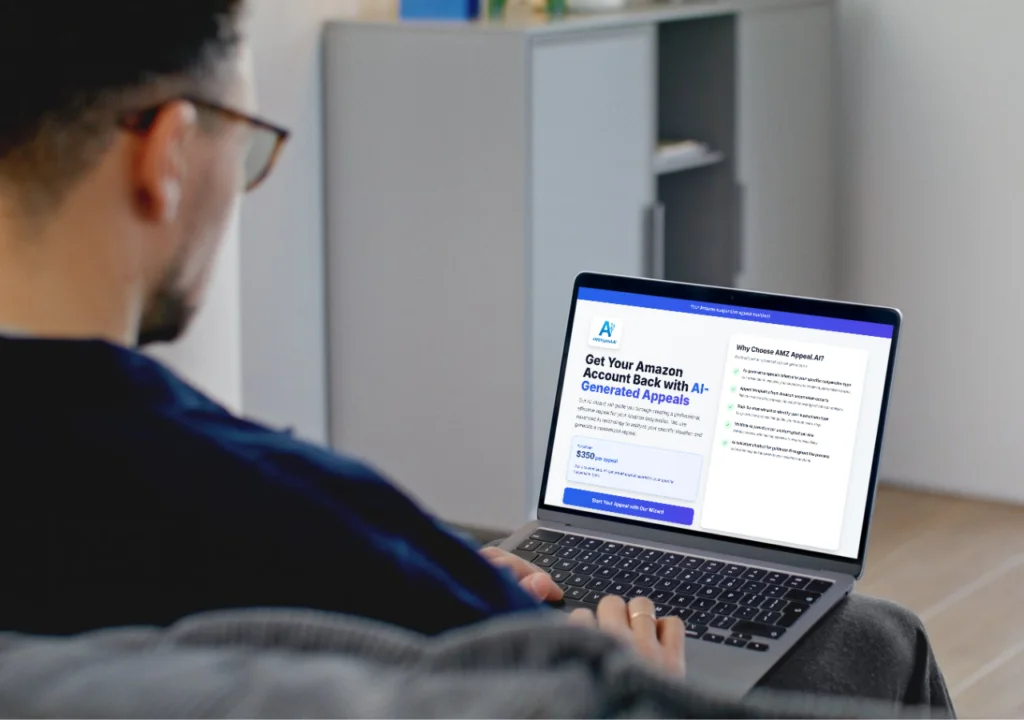
We built Amazon Appeal Wizard, a full-stack AI platform that takes a seller from intake to a submission-ready appeal letter in under 3 minutes.
The user works through a guided intake form that collects the violation type, seller details, root cause, corrective actions already taken, and what they plan to do to prevent it from happening again. It then generates a complete five-section appeal document: opening and context, root cause analysis, corrective actions, preventive measures, and professional closing.
But the real differentiator is the intelligence behind the generation.
We built a retrieval-augmented generation (RAG) pipeline anchored to 46 real, successful appeal documents provided by the client’s legal team. These aren’t synthetic examples, they’re actual appeals that resulted in account reinstatements.
When a new appeal is requested, the system:
- Classifies the case into one of 22 violation categories using AI analysis
- Queries the document library using Google Gemini’s File Search to find the most relevant sections from past successful appeals — semantically matched, not just keyword matched
- Generates each section using OpenAI’s GPT-4o-mini, with the retrieved context injected so the output carries the phrasing, structure, and specificity of real winning appeals
- Streams the output in real-time so the user can watch each section generate and begin reviewing immediately
The platform also includes a full admin panel where the legal team controls every aspect of the AI’s behavior: prompt templates per section, token limits, temperature settings, and document management. They can upload new successful appeals to the RAG library, run A/B tests on different prompt configurations, and roll back to any previous version with one click.
Tech stack: Next.js 14, OpenAI GPT-4o-mini (streaming), Google Gemini 2.5 Flash (RAG), AWS DynamoDB, S3, Amplify.
The platform now serves 350+ legal professionals and Amazon sellers, with over 2,000 appeals generated since launch.
The most telling metric: the client’s legal team now handles 4x the case volume with the same headcount. The attorneys spend their time on strategy and review instead of first-draft composition.
Amplence builds practical healthcare automation systems that help clinics, healthcare teams, and HealthTech companies reduce admin work, streamline patient workflows, improve communication, and make daily operations easier to manage.

Collect patient details, symptoms, consent forms, insurance information, and appointment reasons through structured digital intake workflows before the visit. This helps clinics reduce front-desk workload, avoid missing information, and prepare cleaner handoffs for staff.

Automate appointment booking, confirmation messages, rescheduling flows, cancellation handling, and reminder notifications. This helps healthcare teams reduce repetitive calls and keep patient scheduling more organized.
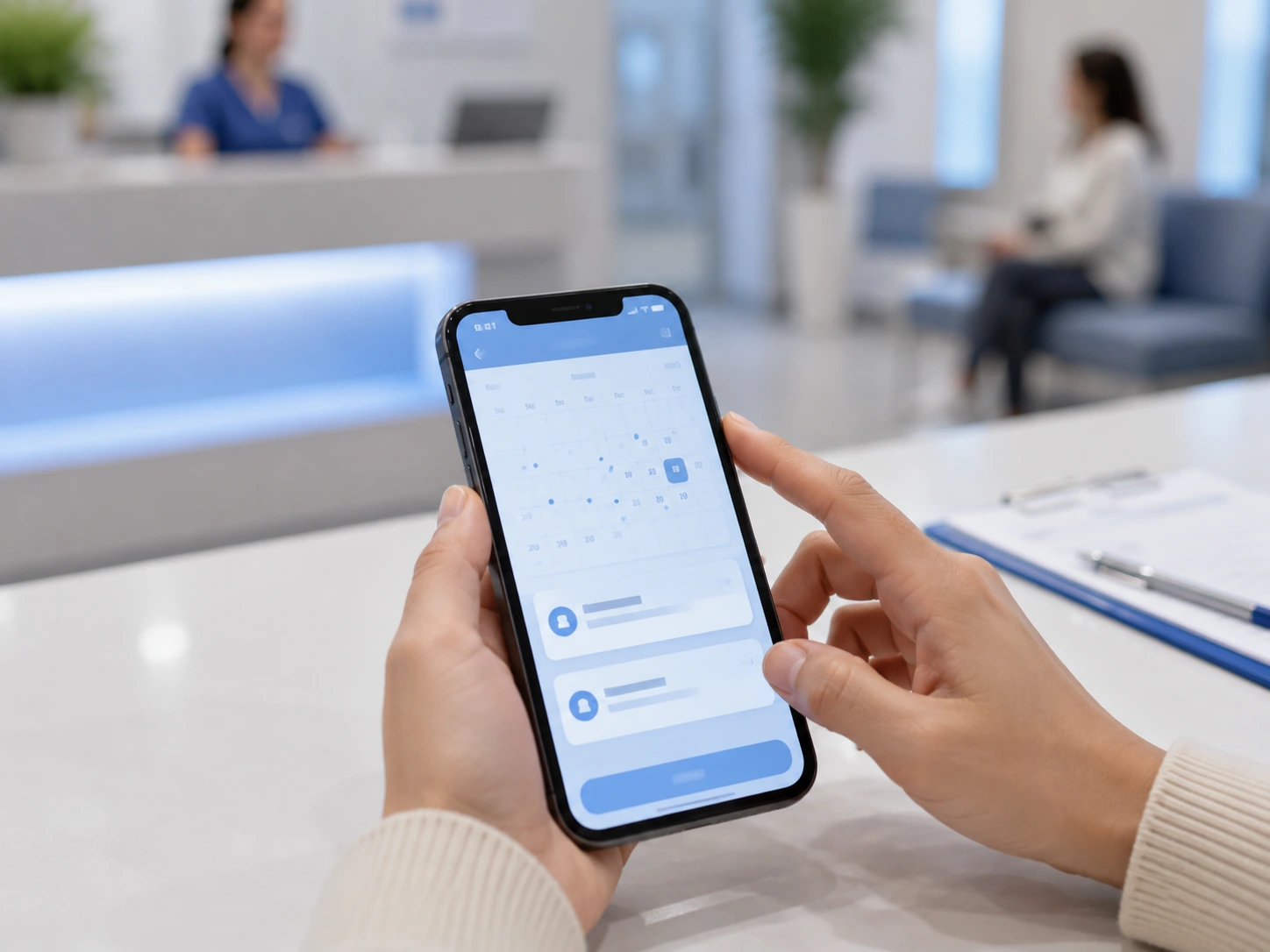
Send automated follow-up instructions, visit reminders, care plan nudges, form completion reminders, and general service updates. This keeps patients informed while reducing repetitive manual communication for admin teams.

Use AI to extract, classify, summarize, and organize healthcare documents such as intake forms, referrals, lab reports, insurance documents, consent forms, and uploaded records. This helps teams find information faster and reduce manual data entry.

Streamline insurance checks, prior authorization preparation, missing-document detection, payer form organization, and submission support. This helps reduce admin friction around approval workflows while keeping human review in place.

Support clinicians and healthcare staff by turning notes, visit details, or dictated information into structured summaries, draft documentation, and follow-up task lists. The goal is to reduce documentation burden while keeping final review with the healthcare professional.

Automate parts of billing support, claim status tracking, denial categorization, missing information checks, and payment follow-up workflows. This helps healthcare businesses improve operational visibility and reduce repetitive billing admin work.

Route patient requests, referrals, follow-ups, lab-related tasks, and internal messages to the right staff member or department. This helps healthcare teams manage handoffs more clearly and avoid tasks getting lost between systems.

Every project we reference on this site is running in production with real users. We build tools that work at scale and hold up under real conditions.

This isn't a new agency testing its model. It's a proven team with deep execution experience, and we've been adding AI capabilities where they create real, measurable value.

From architecture design through deployment and support, we handle the full build. One team, one point of contact, one deliverable that works.

20 minutes. You describe the problem. We ask questions.

Define what version one looks like with cost and timeline.

We design the system before building it in Figma.

Weekly check-ins. Working progress, not status reports.

Deployed to production with post launch support.
AI automation in healthcare uses artificial intelligence to streamline repetitive clinical, administrative, and operational workflows. This can include patient intake automation, appointment scheduling automation, healthcare document automation, patient communication automation, and internal staff task routing.
AI automation for healthcare providers can reduce manual work, improve patient workflows, organize medical documentation, automate patient communication, and help teams respond faster to routine requests. The goal is to support staff, not replace qualified healthcare professionals.
Common healthcare workflow automation use cases include patient intake, appointment reminders, patient follow-up automation, insurance workflow automation, claims processing automation, prior authorization automation, healthcare data entry automation, reporting, and care coordination.
Yes. AI automation for clinics and medical practices can be especially useful because small teams often handle a high volume of repetitive admin tasks. Custom healthcare automation solutions can help with intake forms, reminders, support questions, documentation, and internal task routing.
Most projects ship in 2 to 8 weeks depending on complexity. A workflow automation connecting existing tools might take 2-3 weeks. A custom AI web application with RAG pipelines, user authentication, and payment infrastructure typically takes 4-8 weeks. We scope tightly and build in phases so you see working progress throughout.
Some of the best AI automation use cases in healthcare include patient intake automation, appointment scheduling, healthcare support automation, medical record automation, healthcare document processing, clinical documentation support, insurance workflows, and patient communication automation.
Yes. A healthcare AI chatbot or AI chatbot for clinics can help with non-diagnostic tasks such as answering service questions, collecting intake details, guiding patients to the right next step, sending reminders, and supporting front-desk workflows. Medical decisions should still involve qualified human review.
Secure healthcare automation should be designed with healthcare data privacy, patient data security, protected health information controls, access permissions, audit-friendly workflows, and human review. Amplence plans carefully around privacy and compliance requirements.
A quick 20 minute call with our CEO, Muneeb, to see how we can help you
Practical systems that reduce manual work, lower costs, and help teams scale.


.webp)