.svg)
Not a chatbot wrapper. Not a prompt playground. Full-stack applications with AI embedded where it creates value, complete with user management, payment systems, admin panels, and the infrastructure to handle real traffic.
An AI demo that answers a few prompts takes a weekend. A web application that real users log into, pay for and rely on every day is a different job. It needs authentication, roles and permissions, a proper database, payments, admin tools, error handling and the infrastructure to stay up under real traffic. We build the whole application around the AI, so what you launch is a product, not a prototype.

A prompt in a text box is not a product. Users need guided input flows, clear output formatting, error states, loading indicators, and an interface that doesn’t require them to understand how the AI works. Design matters as much as the model.
A demo that works for 10 test queries often breaks at 1,000 real ones. Edge cases surface. Rate limits hit. Responses take too long. Data formats vary. Building for production means handling every scenario the demo never encountered.
Real applications need user accounts, data storage, access controls, audit trails, and compliance with privacy requirements. The AI model is one component in a larger system that needs to be architected for security, performance, and maintainability.
Our approach to AI application development follows five phases, each one designed to close the gap between AI capability and production reality.
Every project begins with understanding what the application needs to accomplish and who will use it. We map out how users will actually move through the product, cut out any AI that doesn't pull its weight, and nail down the leanest version that still gets the job done. Before any tools or models get chosen, we put success in writing as something measurable.
The full architecture is worked out on paper first. Frontend, backend, database, AI models, APIs, auth, deployment. Nothing gets built until every decision has a reason behind it.
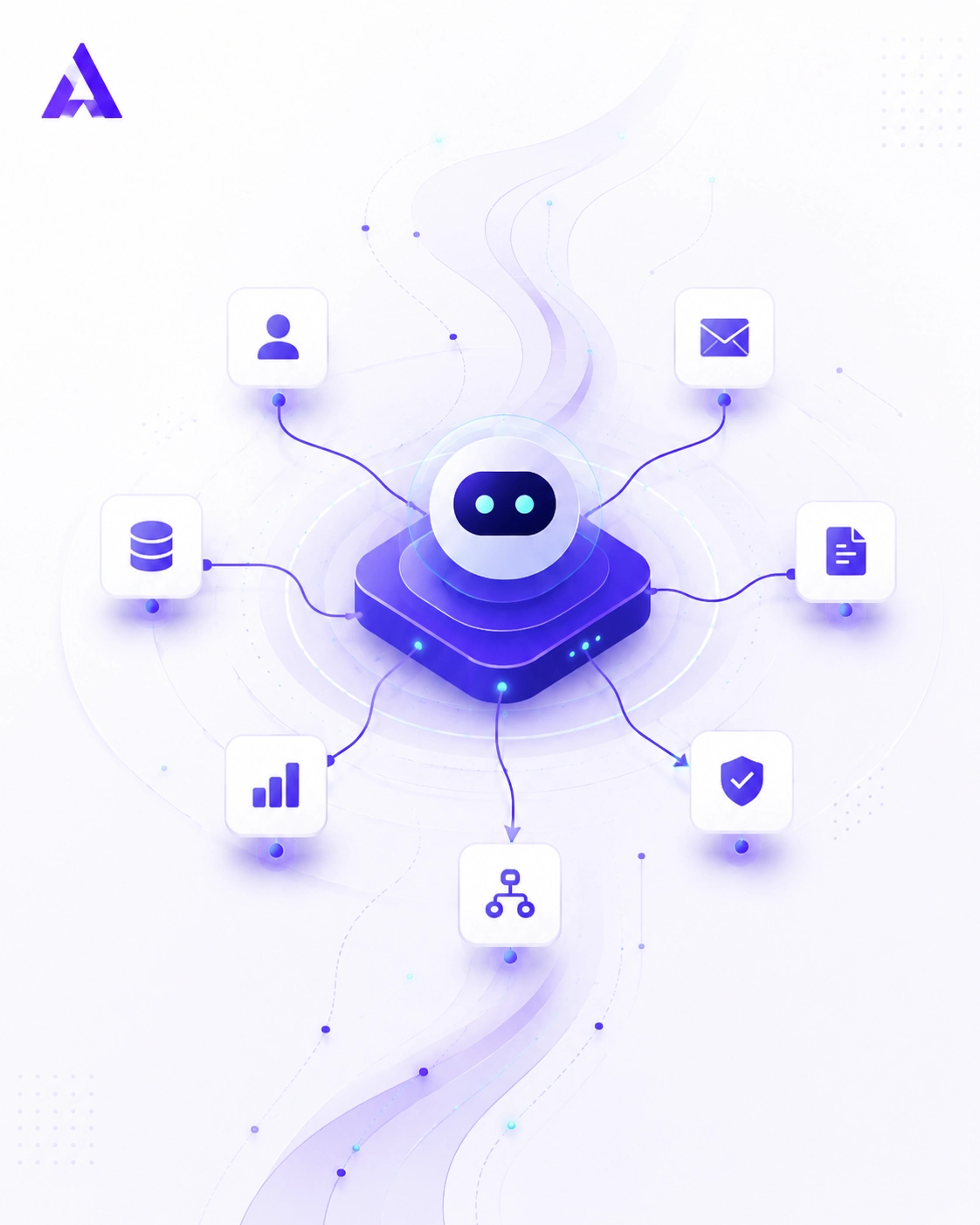
The AI layer is built around the specific use case, not dropped in as an afterthought. That looks like:
The AI runs on the same database, the same authentication, and the same error handling as everything else in the system.
We build the complete application, everything a production product actually needs:
We test against real data and real edge cases before anything goes live. Performance gets stress-tested, security gets reviewed, and real users get their hands on it before anything ships. After launch, we stay on to catch whatever only surfaces once actual people are using the product.
We confirm the exact quote after a short scoping call. Typical starting points:
Hosting, databases and AI model usage are paid directly to the providers.
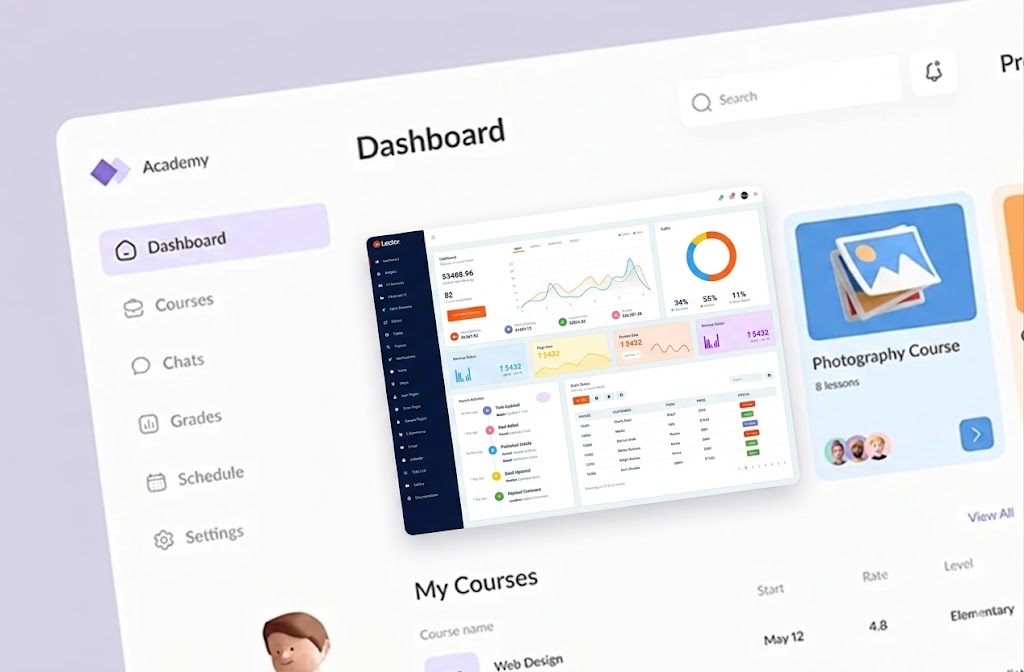
Responsive, production-quality frontend built for your users, not a developer dashboard. Guided input flows, clear output formatting, loading states, error handling, and a design that works on desktop and mobile.

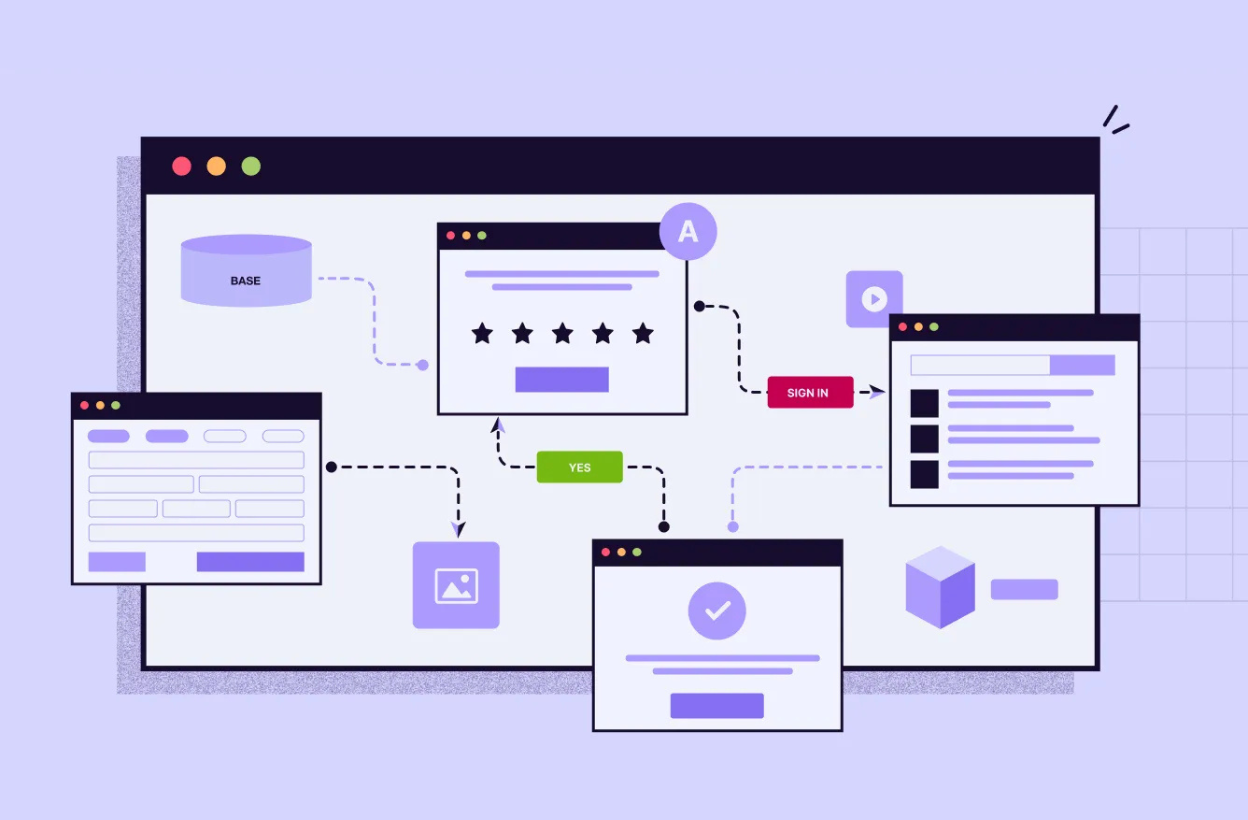
Not a prototype or a proof of concept. A working product on real infrastructure, with real users, handling real data. Deployed to Vercel, AWS, or your preferred platform.
You get the complete codebase. No lock-in, no proprietary frameworks, no dependency on us to keep the lights on. Clean, documented code your team or any competent developer can maintain.
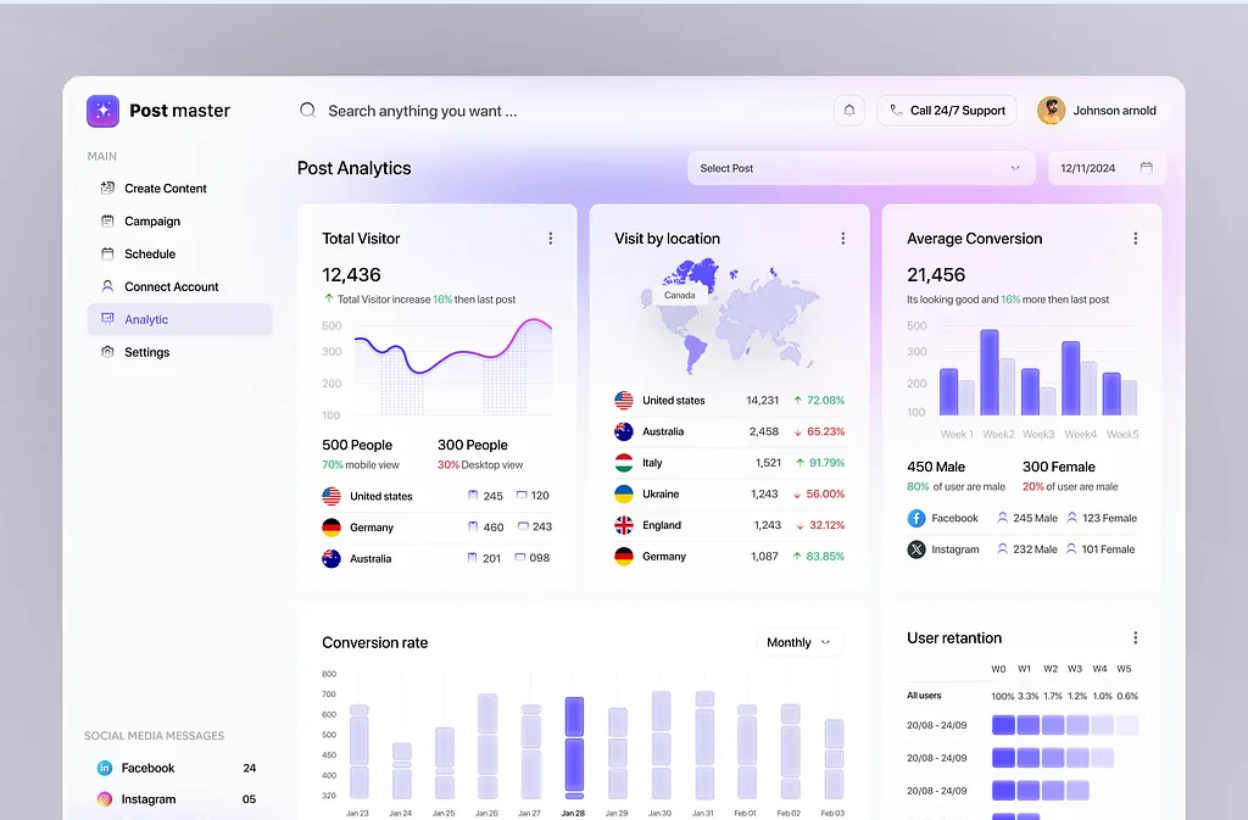
RAG systems built on your documents, classification models trained on your categories, and prompt templates refined for your use case. Confidence scoring and cost optimization designed for real-world usage patterns, not demo conditions.
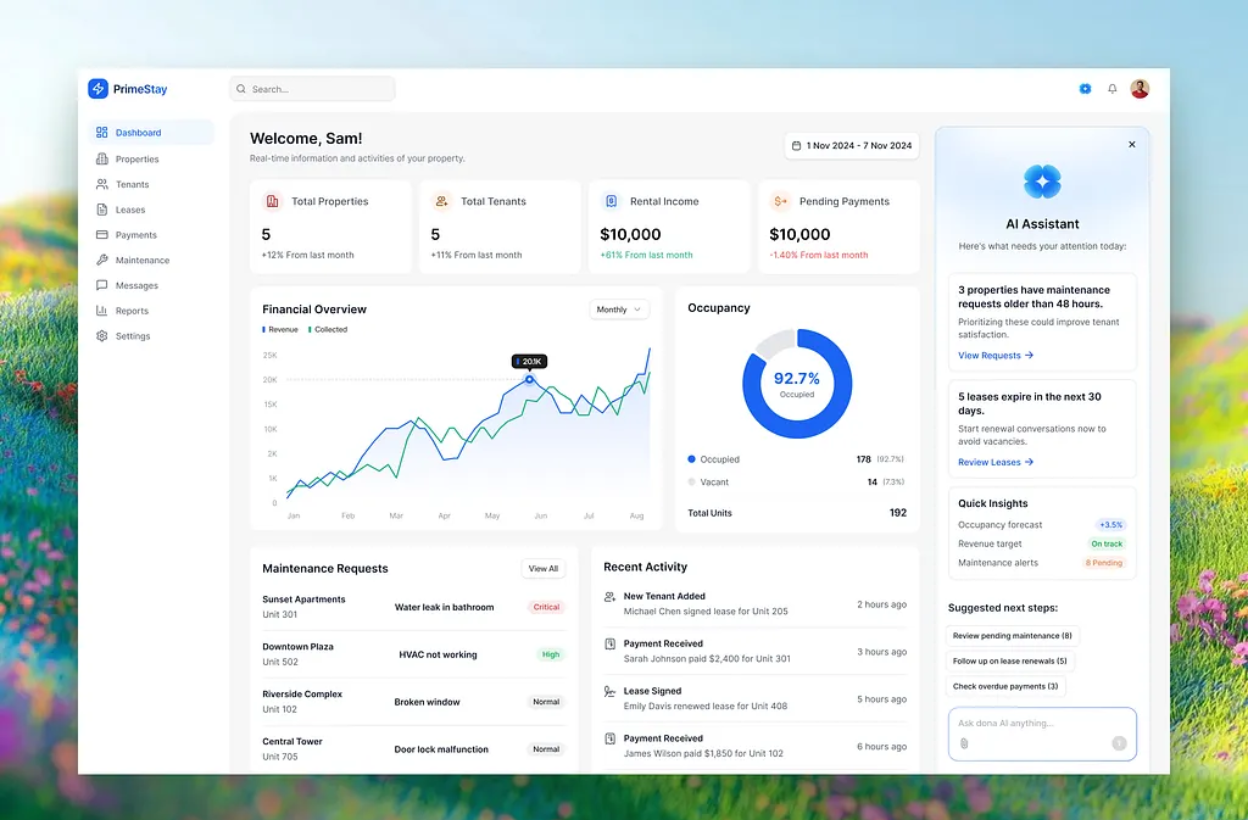
Your team manages AI prompt configurations, templates, model settings, and parameters through a purpose-built admin panel. No tickets. No developer sprints. Direct control over AI behavior.
Architecture documentation, setup instructions, and operational guides. Your team (or your next developer) can understand, maintain, and extend the application independently.
Custom AI web app development means building a full web application with AI built into the product experience, not just adding a chatbot or prompt box. This can include user accounts, dashboards, databases, admin panels, payments, AI workflows, RAG pipelines, API integrations, and deployment on real infrastructure. The goal is to create a production-ready AI application that users can log into, use, and rely on.
A basic AI chatbot usually answers questions inside a chat interface. A custom AI web application is a complete product with its own frontend, backend, database, business logic, user roles, and AI features. For example, an AI web app can analyze documents, generate reports, process user inputs, manage subscriptions, store results, and give your team an admin panel to control how the system works.
Yes. We build AI web applications with RAG pipeline development when the AI needs to use your documents, templates, knowledge base, policies, previous cases, or internal data. Instead of relying only on generic AI model knowledge, the application retrieves relevant information from your approved data sources before generating an answer, document, report, or recommendation.
A custom AI application can be used for document generation, customer support portals, internal AI dashboards, legal or compliance tools, risk scoring platforms, AI-powered reporting, sales enablement tools, data enrichment systems, and AI SaaS products. The best use cases are workflows where users need structured inputs, reliable outputs, saved history, access control, and a clean interface around the AI.
No-code AI tools are useful for simple prototypes, but they often become limiting when you need custom workflows, secure databases, user management, payment systems, RAG pipelines, admin controls, API integrations, and scalable deployment. An AI application development company can design and build the full product around your business logic, so the AI feature works inside a reliable application instead of staying as a fragile demo.
Book a quick 20-minute call with our CEO Muneeb and we'll figure out exactly where we can help.
Practical systems that reduce manual work, lower costs, and help teams scale.



.png)