
We design Airtable bases, Interfaces and automations around how your team actually works, connect them to the rest of your tools, and hand over a base people can run without us.
Airtable is easy to start and easy to outgrow. Most bases we're asked to look at began as a spreadsheet replacement and slowly became the place an operation runs from, without anyone planning the structure along the way.
The symptoms are familiar: the same customer typed into three tables, views nobody trusts, automations that fail when someone renames a field, and a base that gets slower as it fills up. Most of it traces back to the data model, so that is where an Airtable expert starts, not with more fields or more automations. When Airtable is the wrong home for the job, we say so and suggest a custom web app instead.
If you want to know whether a process is worth rebuilding before you pay anyone, our ROI calculator gives you a rough answer in about a minute.

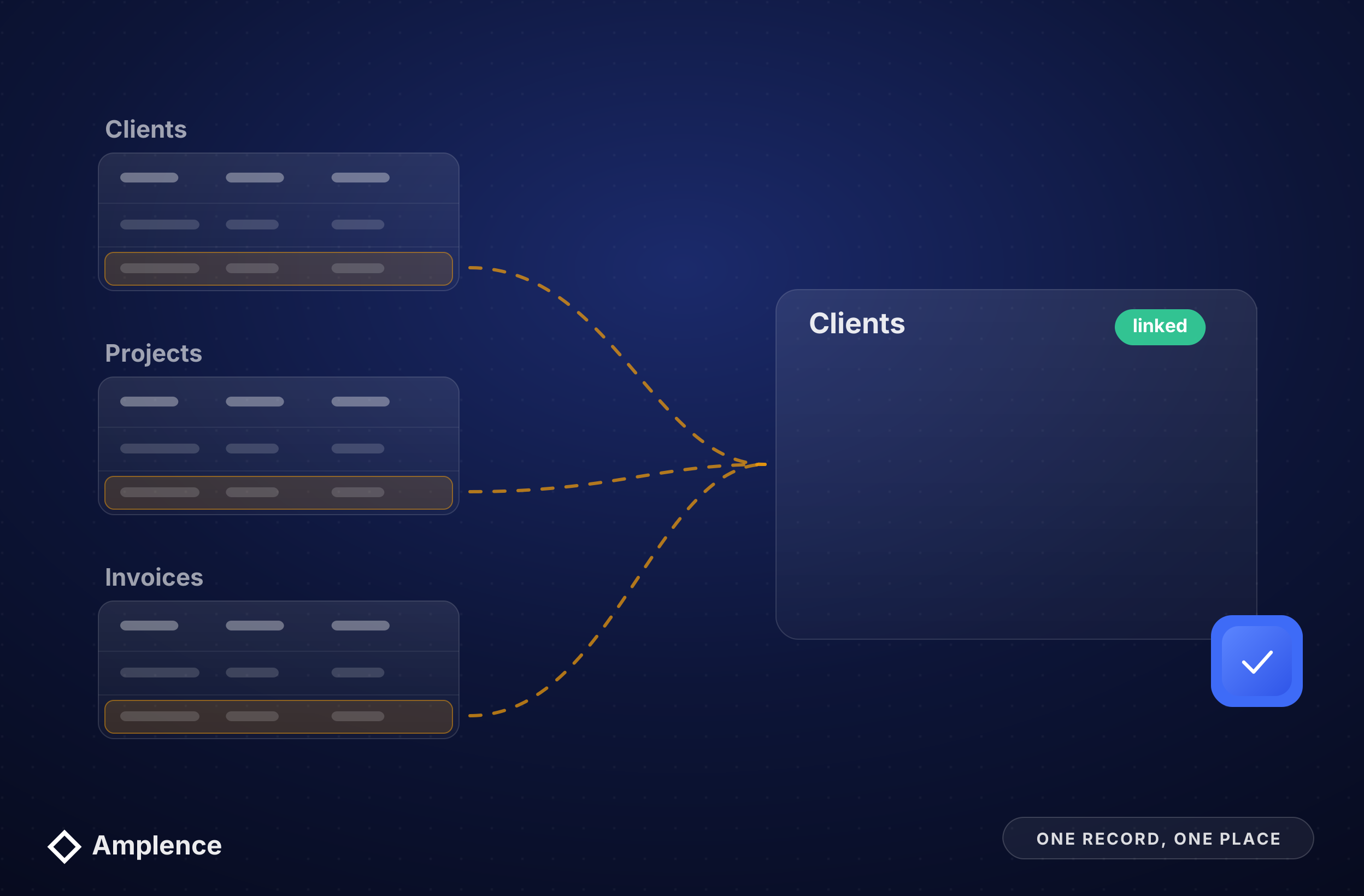
When the same client or order lives in several tables, every report needs cleaning before anyone believes it. We rebuild the structure around linked records, so each customer, project or order exists once, and every view, rollup and lookup reads from the same source.
Airtable automations run against plan-based monthly limits and can stop when a field is renamed or a record is missing a value. We keep simple work in native automations, move heavy or cross-app jobs to n8n, Make or Zapier, and send failed runs to a named person instead of a log nobody opens.
A base that shows every field to every person gets ignored or edited by mistake. We build Interfaces for each role, so sales, operations and managers see only the records, filters and buttons they need, with permissions that match.
We start with the work, not the tables. Who enters data, who reads it, and which decisions depend on it tells us most of what the base needs to look like.
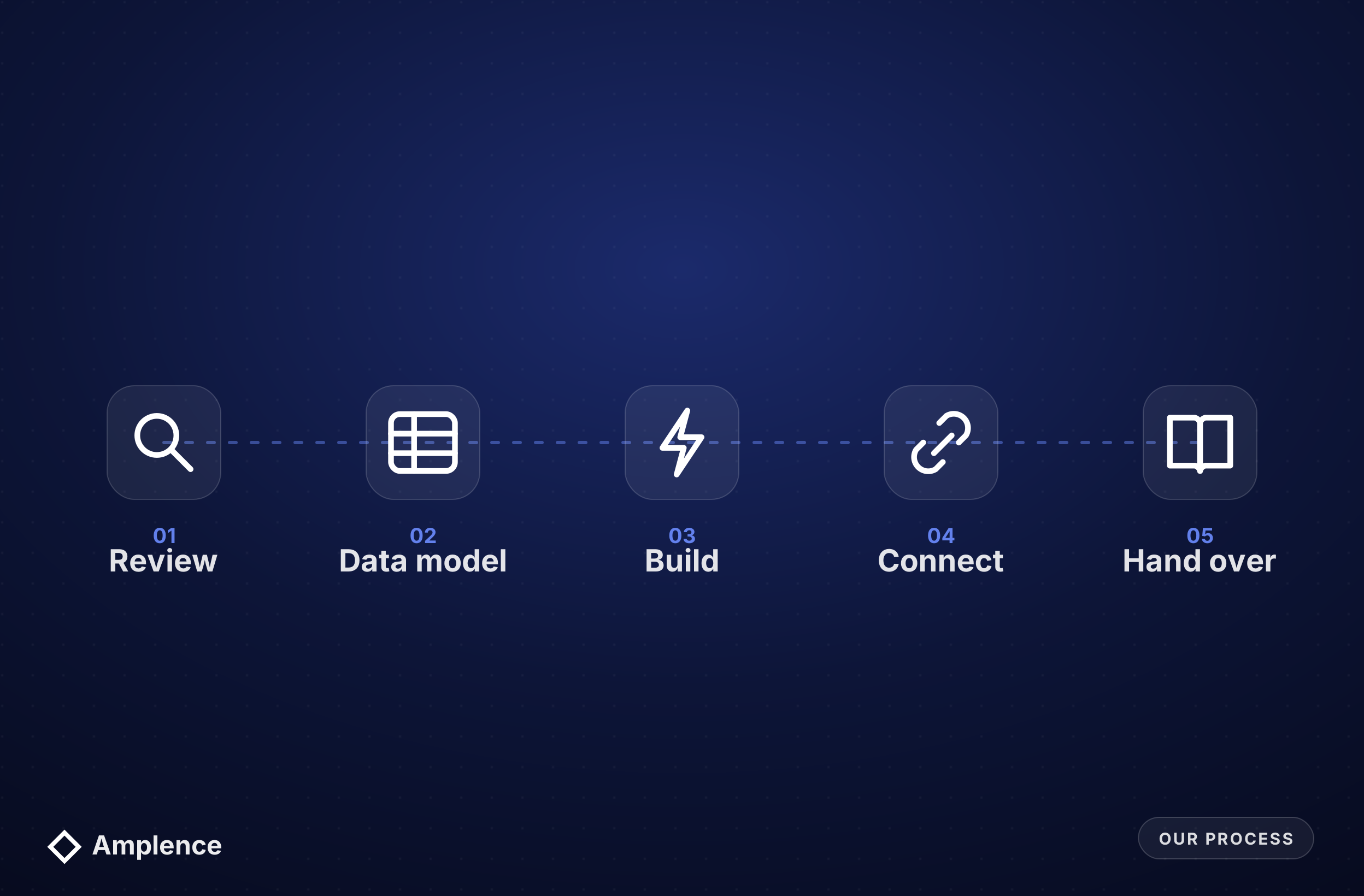
We go through your current base or spreadsheets and talk to the people who use them: which tables hold what, where data is entered twice, which views people actually open and which automations run. You get a written list of what to keep, fix, merge or archive.
Tables, linked records, field types, rollups and lookups planned around your real process, so each record exists once. This is the step that decides whether the base still works in a year, so we agree it with you before building.
Interfaces for each role, views that answer real questions, and automations for the repetitive steps. Anything that sends, pays or deletes waits for a person to approve it.
Your CRM, forms, email, store, accounting software or Slack connected through native integrations, the Airtable API, n8n, Make or Zapier, chosen by volume and cost, with alerts when a sync fails.
Data moved and cleaned, duplicates merged, everything tested with real records, then a short guide and a walkthrough so your team can run the base without us.
Not every team needs a full rebuild. We work in four ways:
We build in Airtable, n8n, Make, Zapier and custom code, so our advice on where your data should live doesn't depend on one tool. We quote after a short scoping call, and your Airtable subscription is paid directly to Airtable.
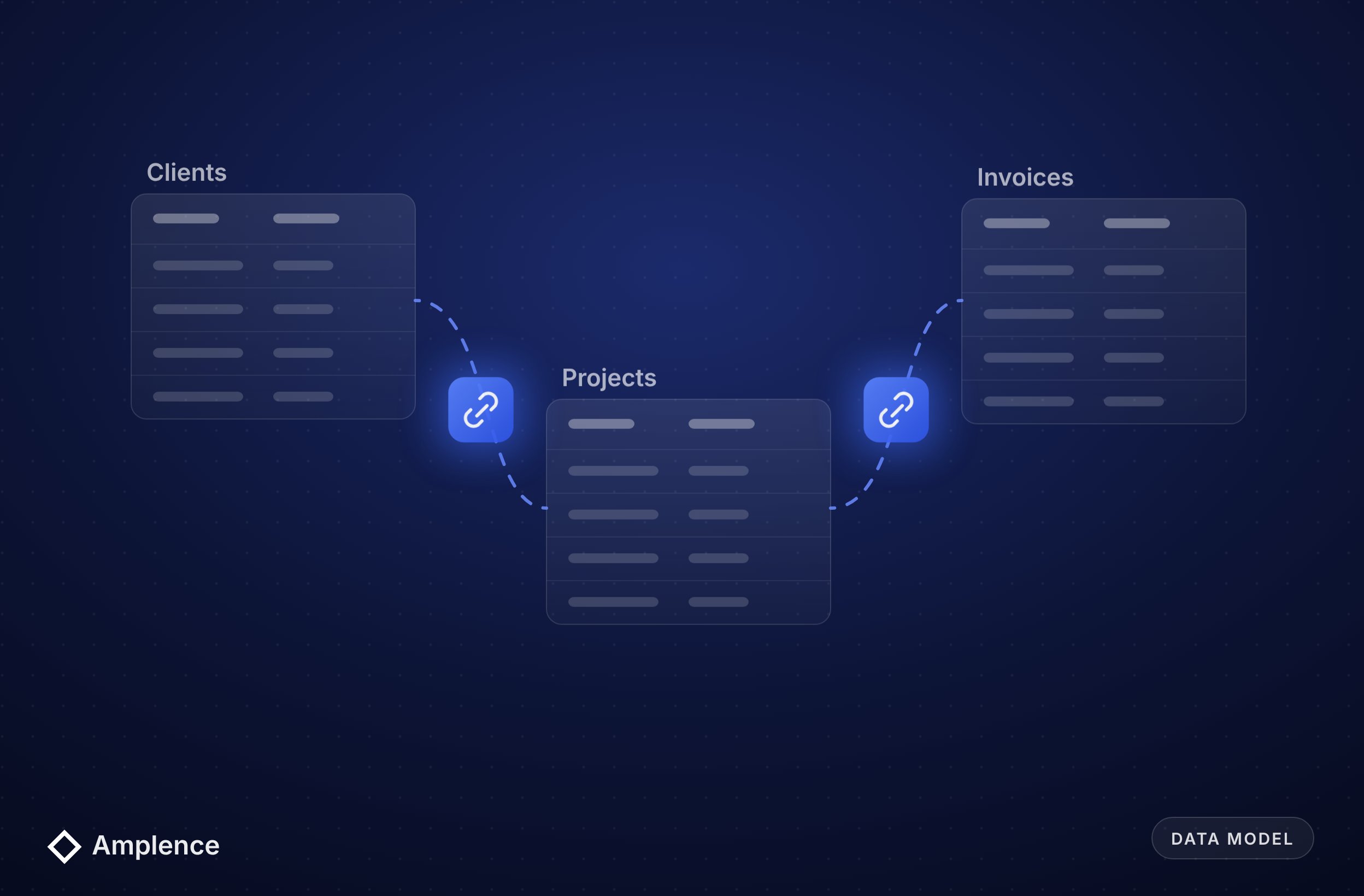
Tables, linked records and field types planned around your process, so each client, project or order is stored once and every view agrees.
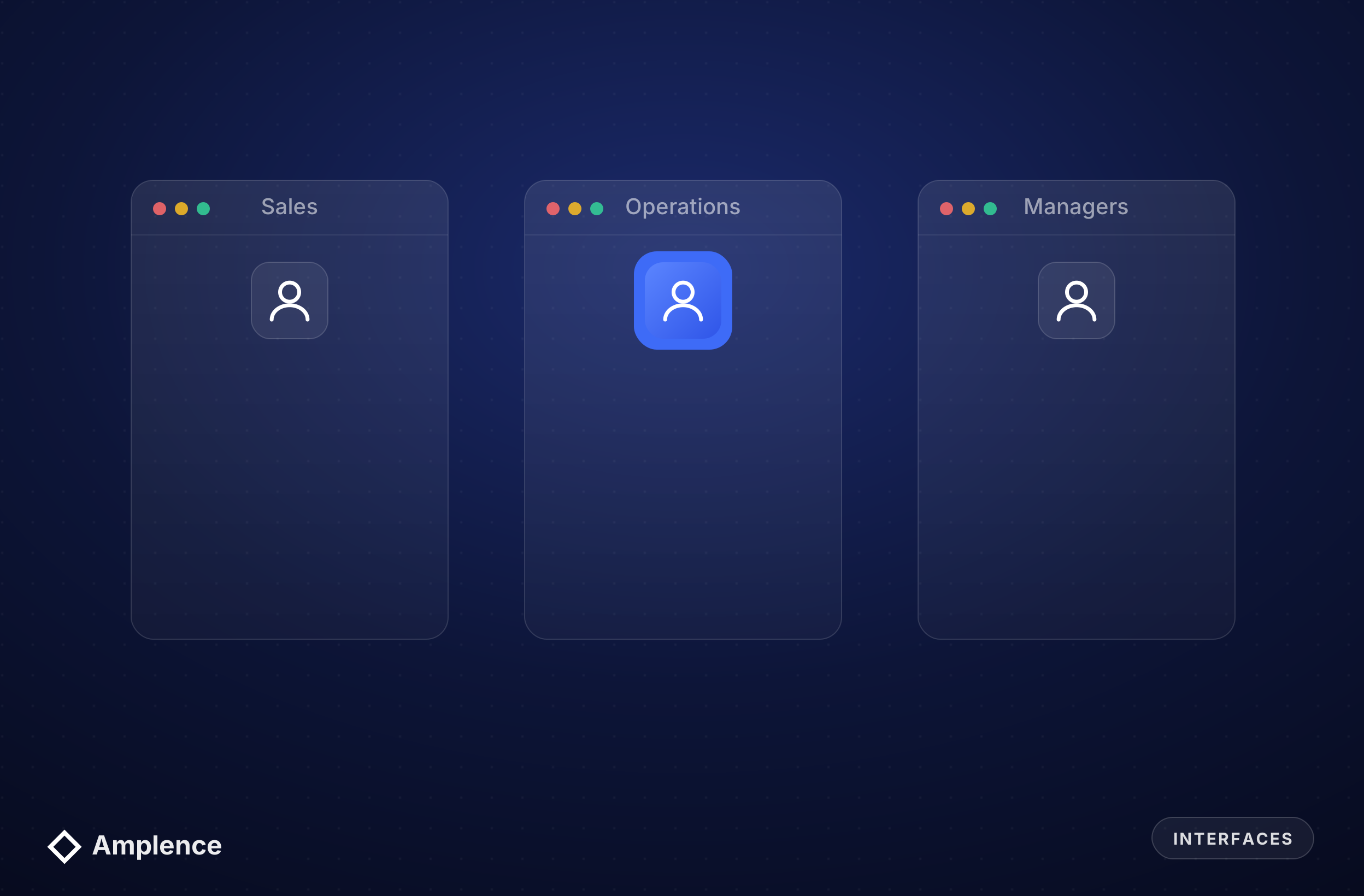
Interface pages for sales, operations and managers, showing only the records, filters and buttons each person needs to do their job.
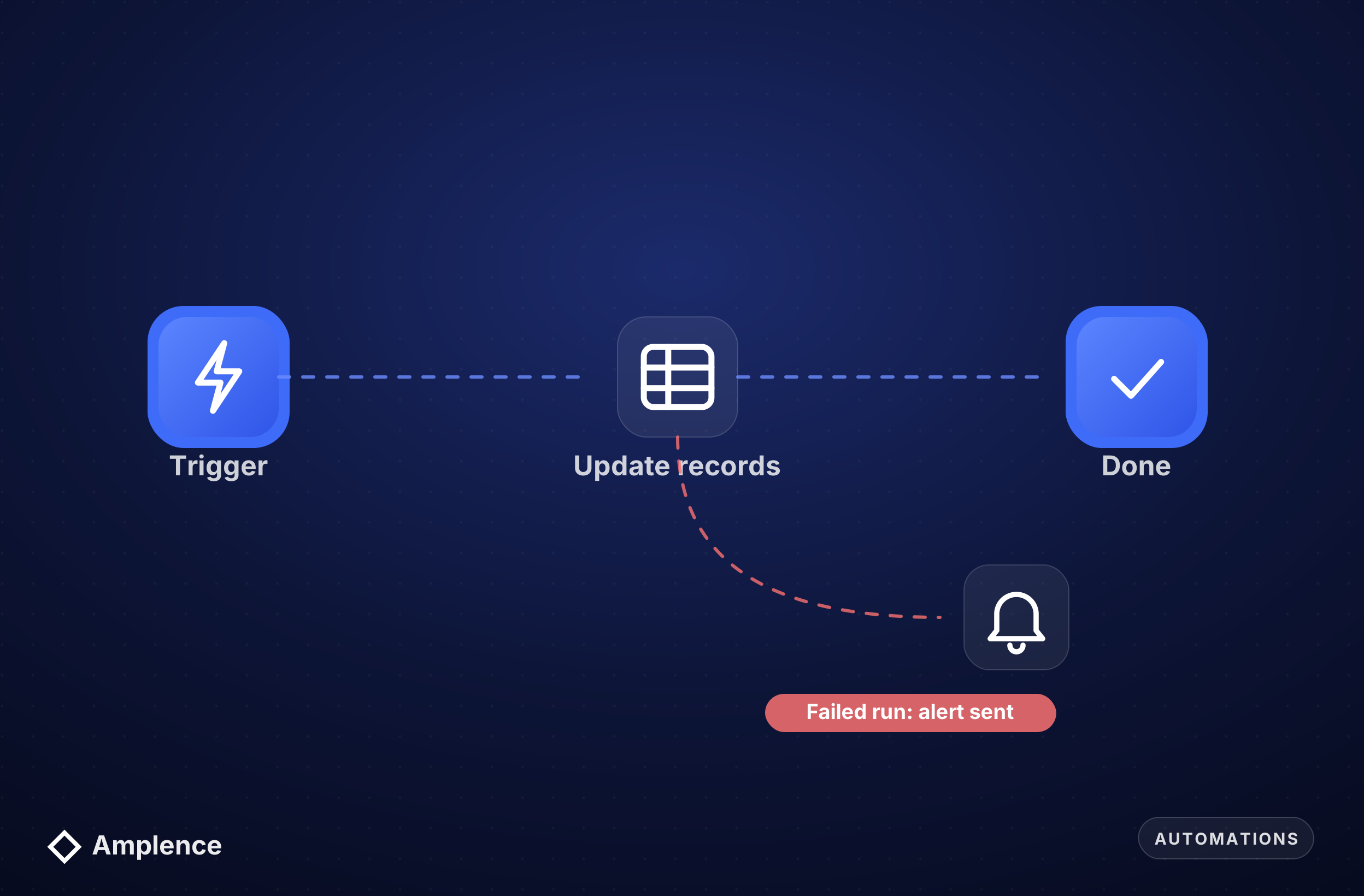
Native automations for simple steps, n8n, Make or Zapier for heavy jobs, and failed runs reported to a named person, not a log.
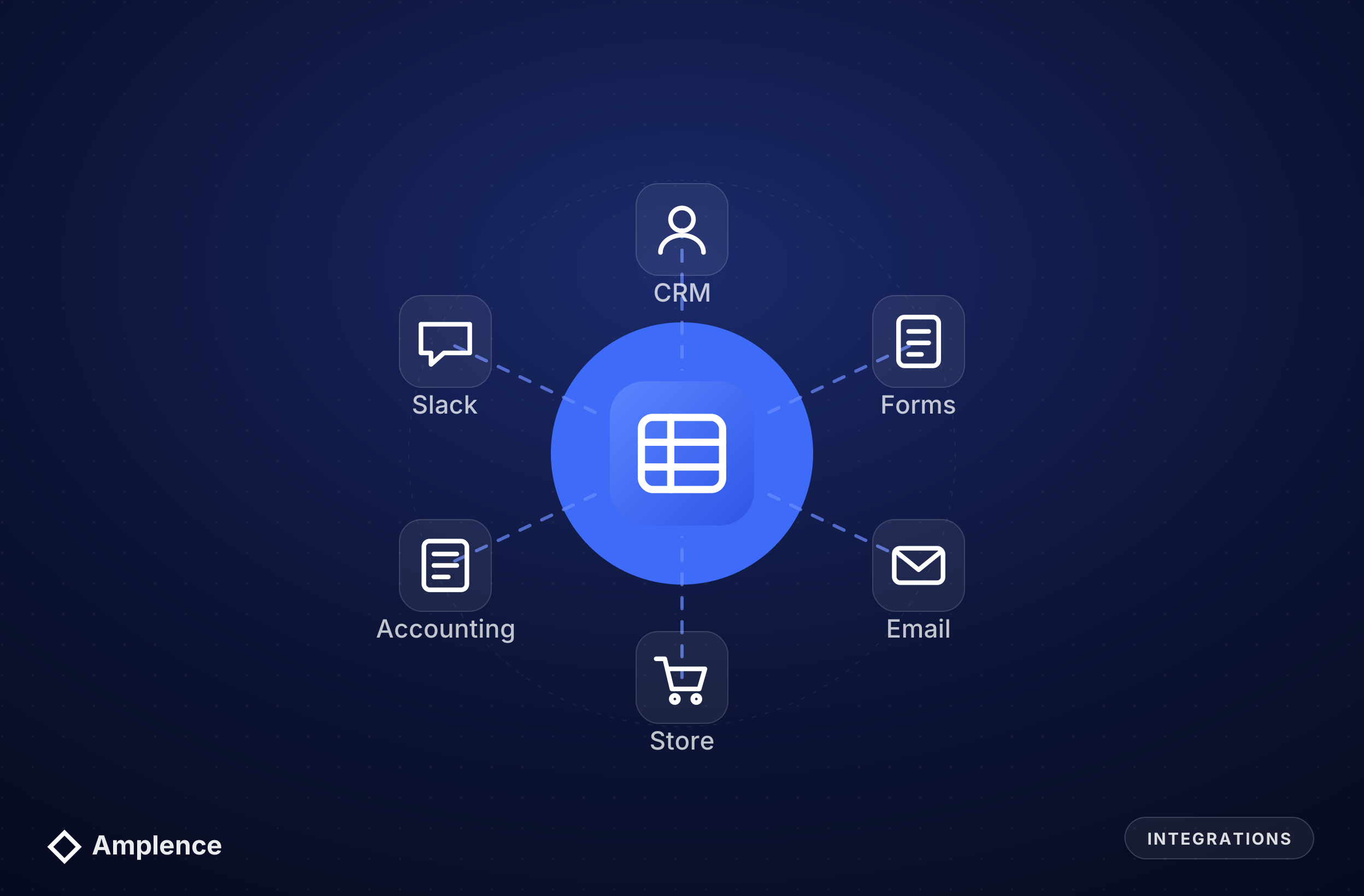
Airtable connected to your CRM, forms, email, store or accounting tools through the API, so data arrives without copy and paste.
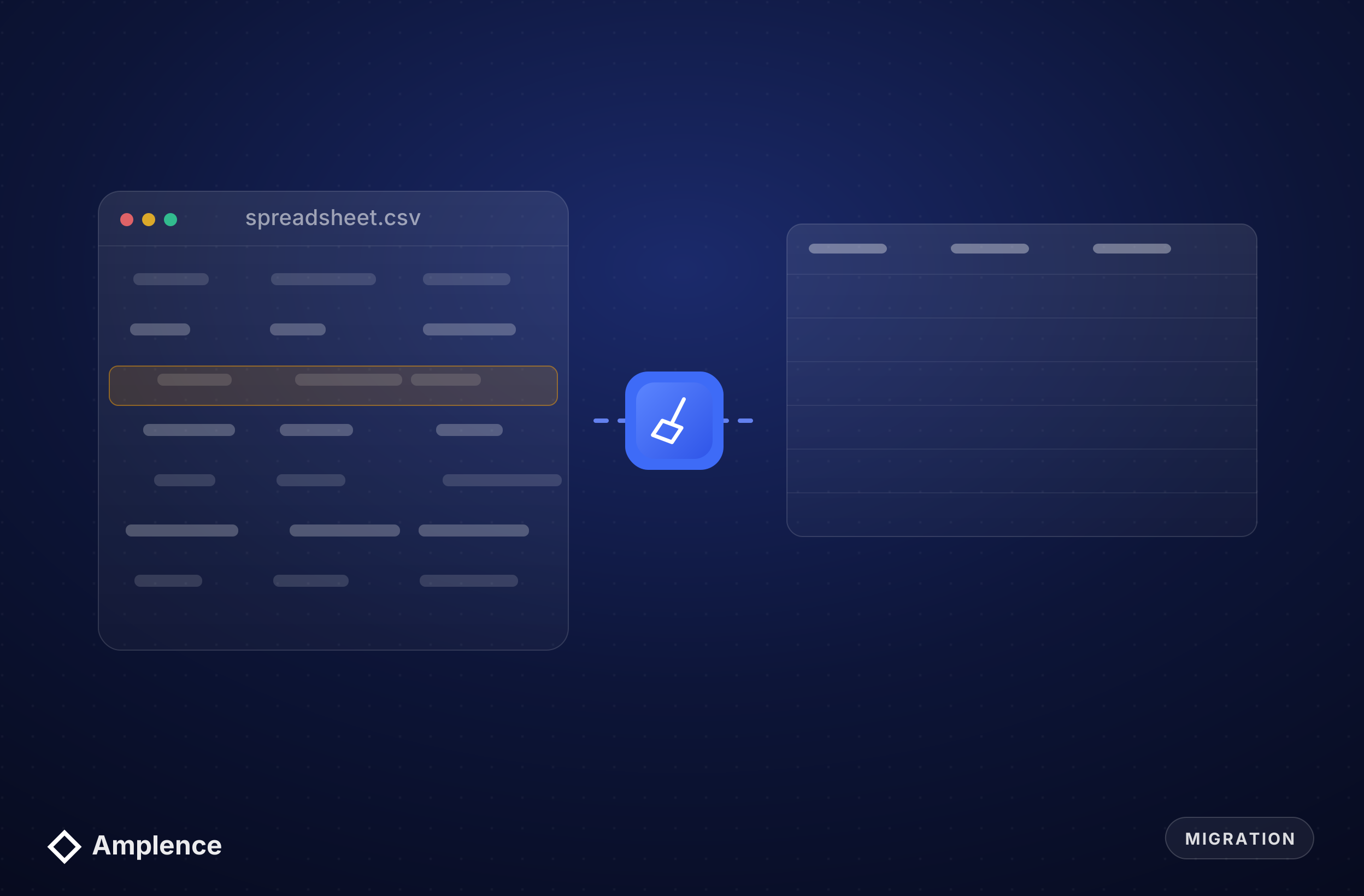
Spreadsheets and messy bases moved into a clean structure, duplicates merged, broken lookups fixed and old fields archived.
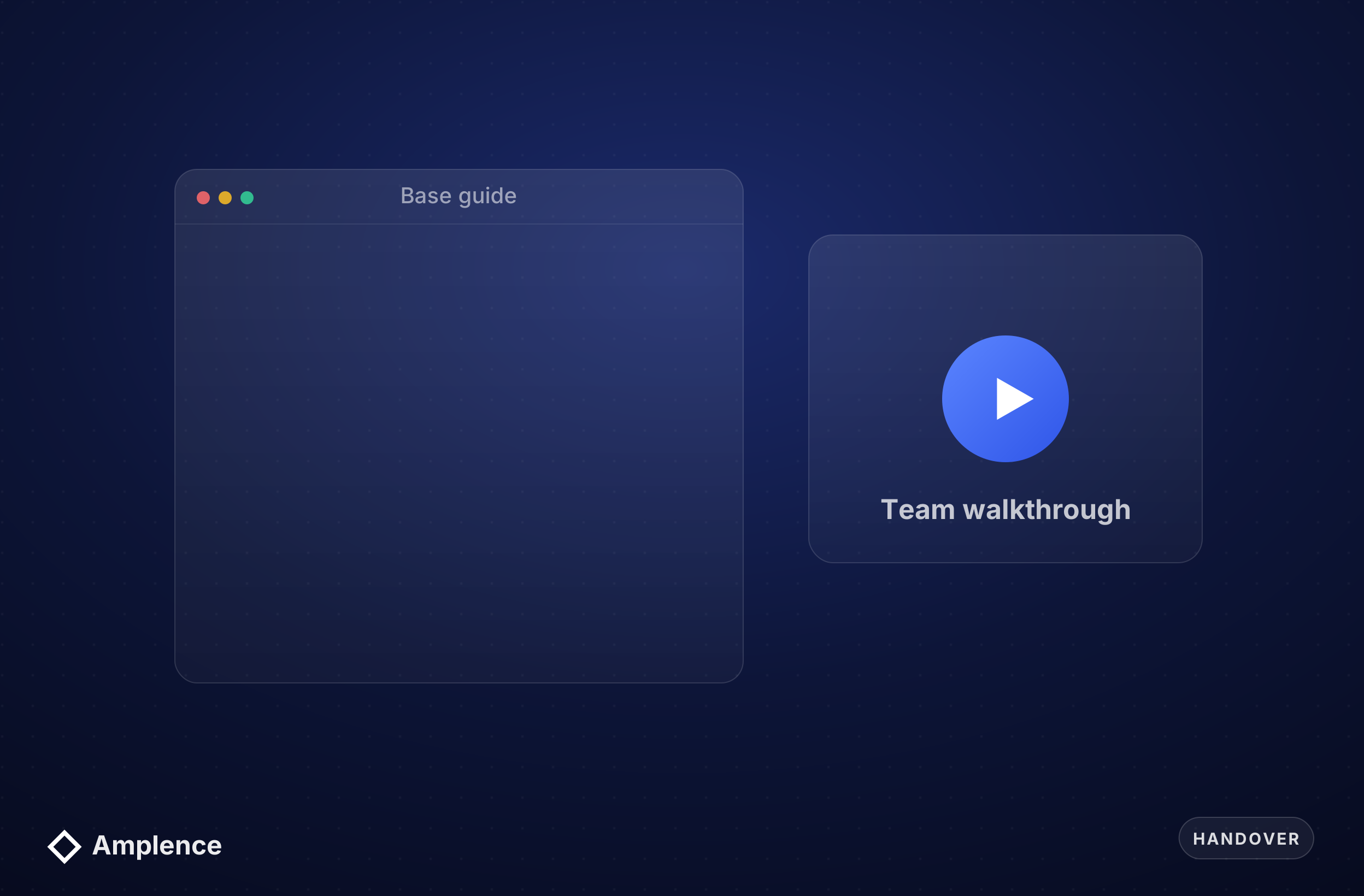
A short guide to each table and automation, plus a walkthrough, so your team can run and change the base without us.
An Airtable consultant reviews how your team works, then designs the tables, linked records, views, Interfaces and automations to match. Most of the work is the data model: once each record exists in one place, reports, permissions and automations get much simpler. We also connect Airtable to your other tools and document the base so your team can run it.
If your base is small and one person owns it, building it yourself is often fine. An Airtable developer helps when several teams depend on the base, when you need scripts or API integrations, or when the base has grown slow and nobody trusts the numbers in it.
It depends on how many records you store, how many automation runs you use and which features you need, such as Interface permissions and sync. Airtable changes plan limits from time to time, so we check your current usage against Airtable's pricing page during scoping and recommend the lowest plan that fits.
Yes. We connect Airtable to CRMs, forms, email, Shopify, accounting software and Slack using native automations, the Airtable API, n8n, Make or Zapier. We pick the option based on volume and cost, and we add alerts so a failed sync reaches a person.
When you need a public app with user logins and payments, millions of rows, or strict transactional data such as a ledger. In those cases we will say so and suggest a custom web app or a proper database instead, even if that means we don't build it in Airtable.
Book a 20-minute call with our CEO Muneeb. Bring your base or a screenshot of it, and we will tell you what to keep, what to rebuild and what it costs.
Practical systems that reduce manual work, lower costs, and help teams scale.


