
We build retrieval-augmented generation systems that search your documents, answer with sources, and say when they don't know, with access control and data residency planned in from day one.
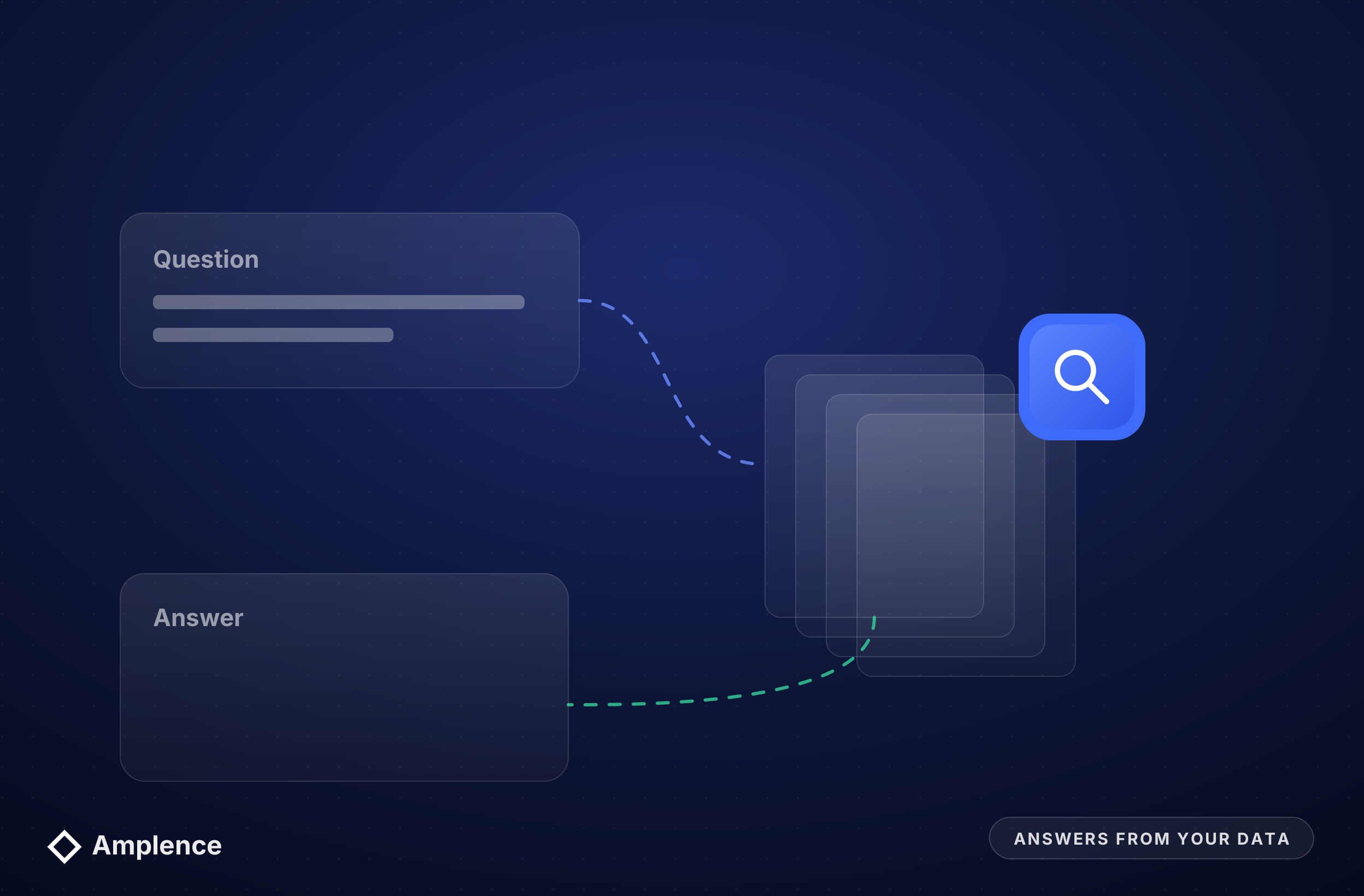
A general chatbot doesn't know your policies, contracts or product manuals, and when it doesn't know, it guesses. Retrieval-augmented generation fixes that by finding the relevant passages in your own documents first and giving only those to the model to answer from.
Most of the quality comes from the parts nobody sees: how documents are split, which search finds the right passage, and how each answer is checked against its sources. A demo can skip all of that. A system your team relies on can't. If you're weighing RAG against training a model, our RAG vs fine-tuning guide covers the trade-offs.
When the answers belong in a chat window for customers or staff, we build it as part of our AI chatbot development work, with the same retrieval underneath.

If staff can't see where an answer came from, they have to verify everything by hand, which removes the point of having it. Every answer we build shows the passages it used, with a link back to the original document.
Plain vector search often misses exact terms like part numbers, clause names or product codes. We combine keyword and semantic search, add re-ranking where it helps, and test retrieval on real questions before we tune anything else.
Not everyone should get answers from every file. We carry document permissions into the search index, keep data in the region you need, and log questions and answers so they can be reviewed.
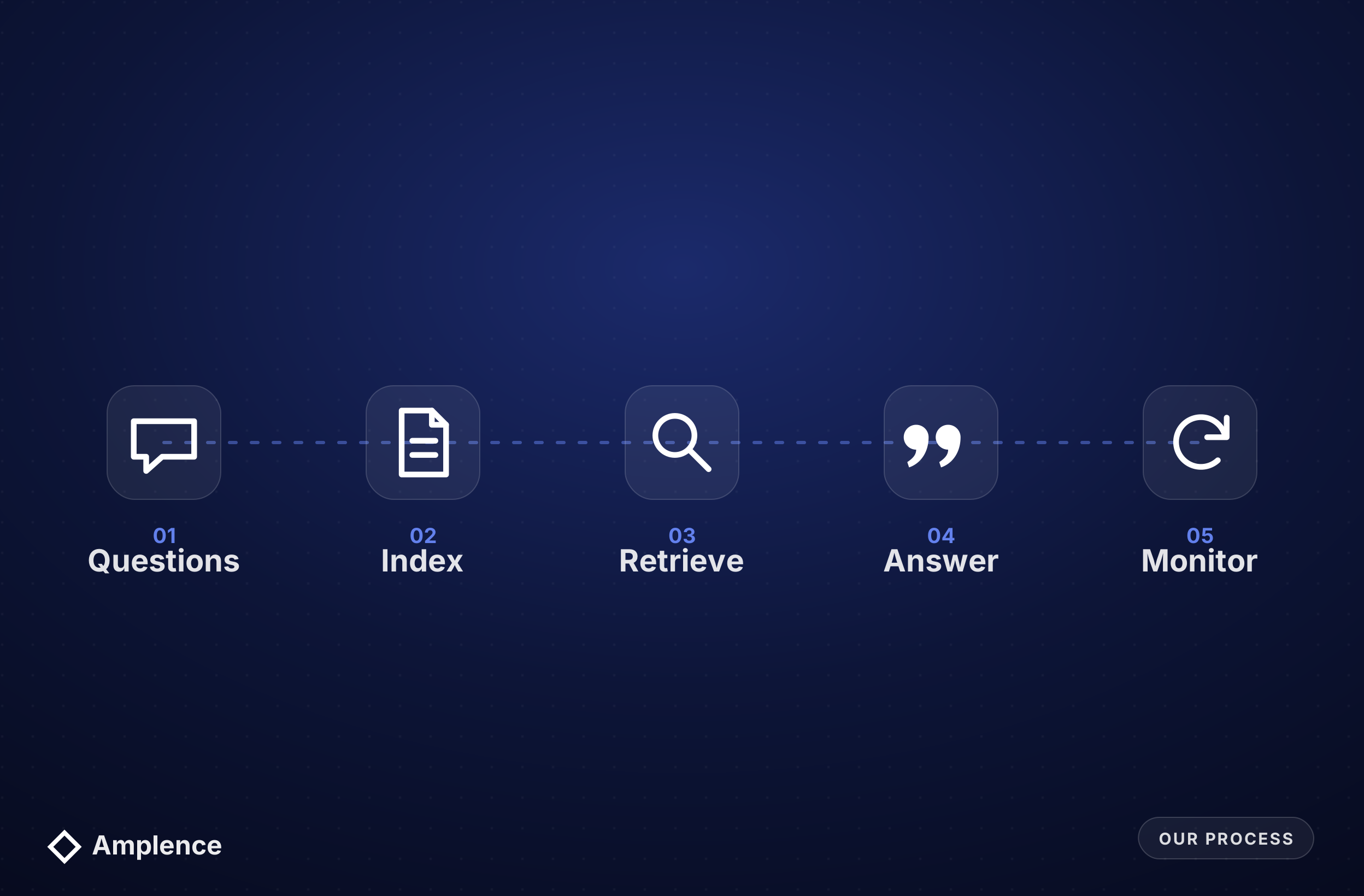
We start with the questions people actually ask and where the answers live, not with a model or a vector database.
We gather questions your team or customers ask today, the documents that answer them, and what a good answer looks like. These become the test set the whole project is measured against.
PDFs, Word files, web pages and help articles parsed with their headings and tables intact, split by structure rather than by character count, and tagged with source, date and who is allowed to see them.
Keyword and semantic search combined, re-ranked where it helps, and measured on whether the right passage comes back before any model writes an answer. Most quality problems are fixed here.
The model answers only from the passages it was given, shows those passages, and says it doesn't know when nothing relevant is found. Questions it can't answer can go to a person.
Questions, answers and feedback logged for review, documents re-indexed when they change, and the test set run again when the AI model behind it is retired or replaced.
Not every team needs a new system. We work in four ways:
We build the retrieval, the checks and the handover, not just the chat window. We have built document Q&A where the data had to stay in a specific country, so access control and data residency are part of the design from the start. We quote after a short scoping call, and model and hosting costs are paid directly to the providers.
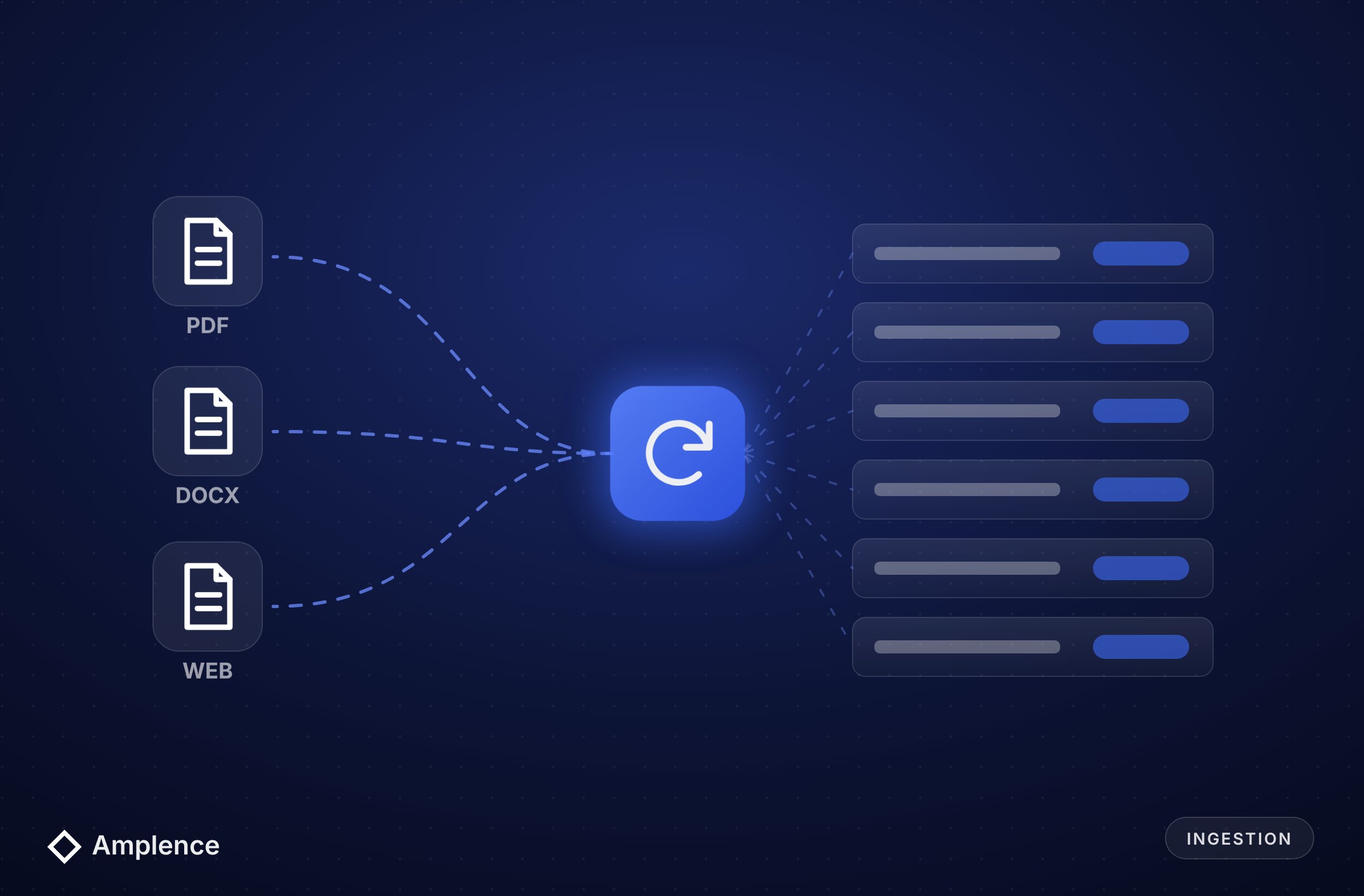
PDFs, Word files, web pages and help articles parsed with headings and tables intact, split by structure and tagged with source and permissions.
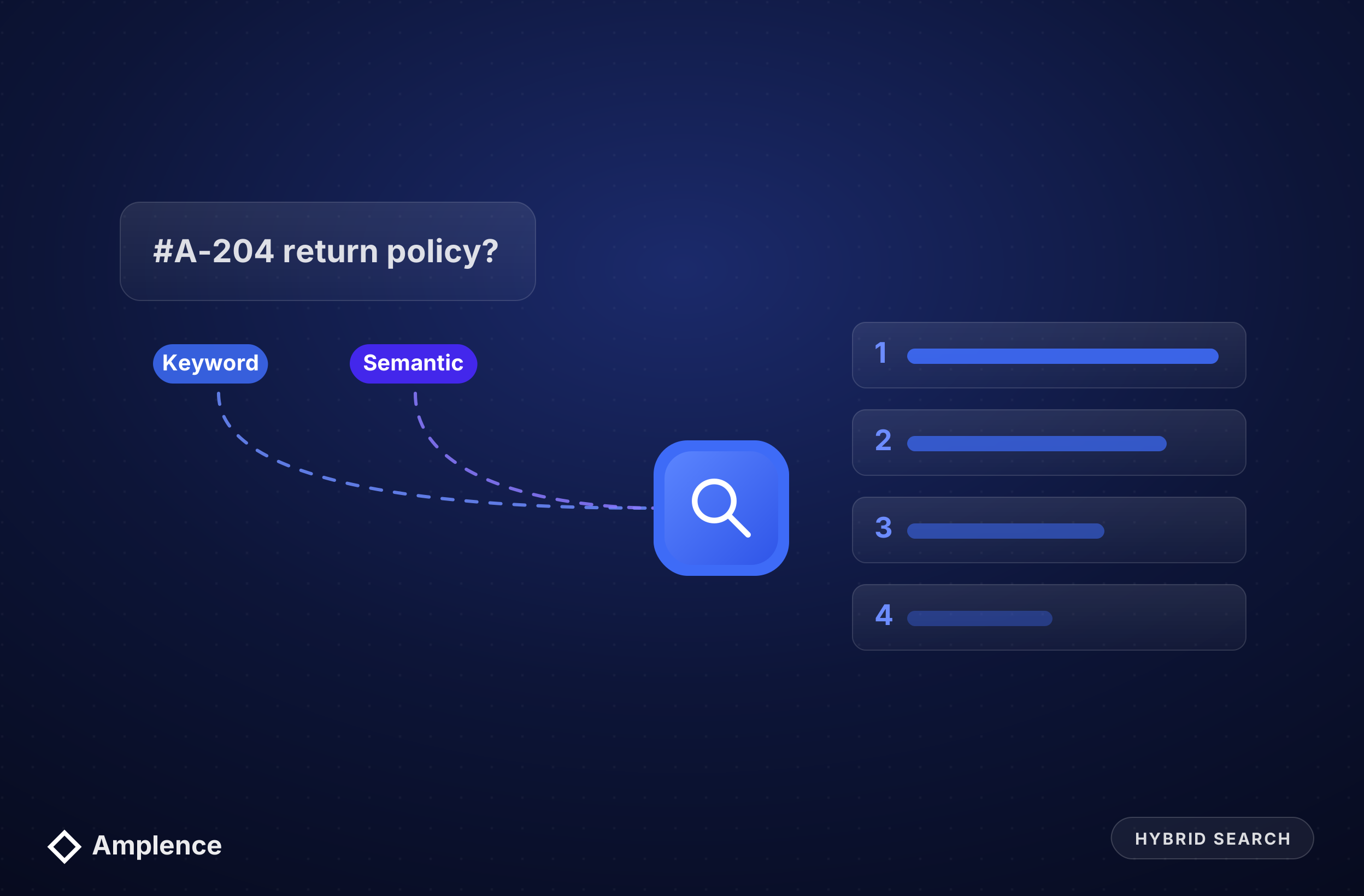
Keyword and semantic search combined, so exact terms and plain-language questions both find the right passage before the model sees it.
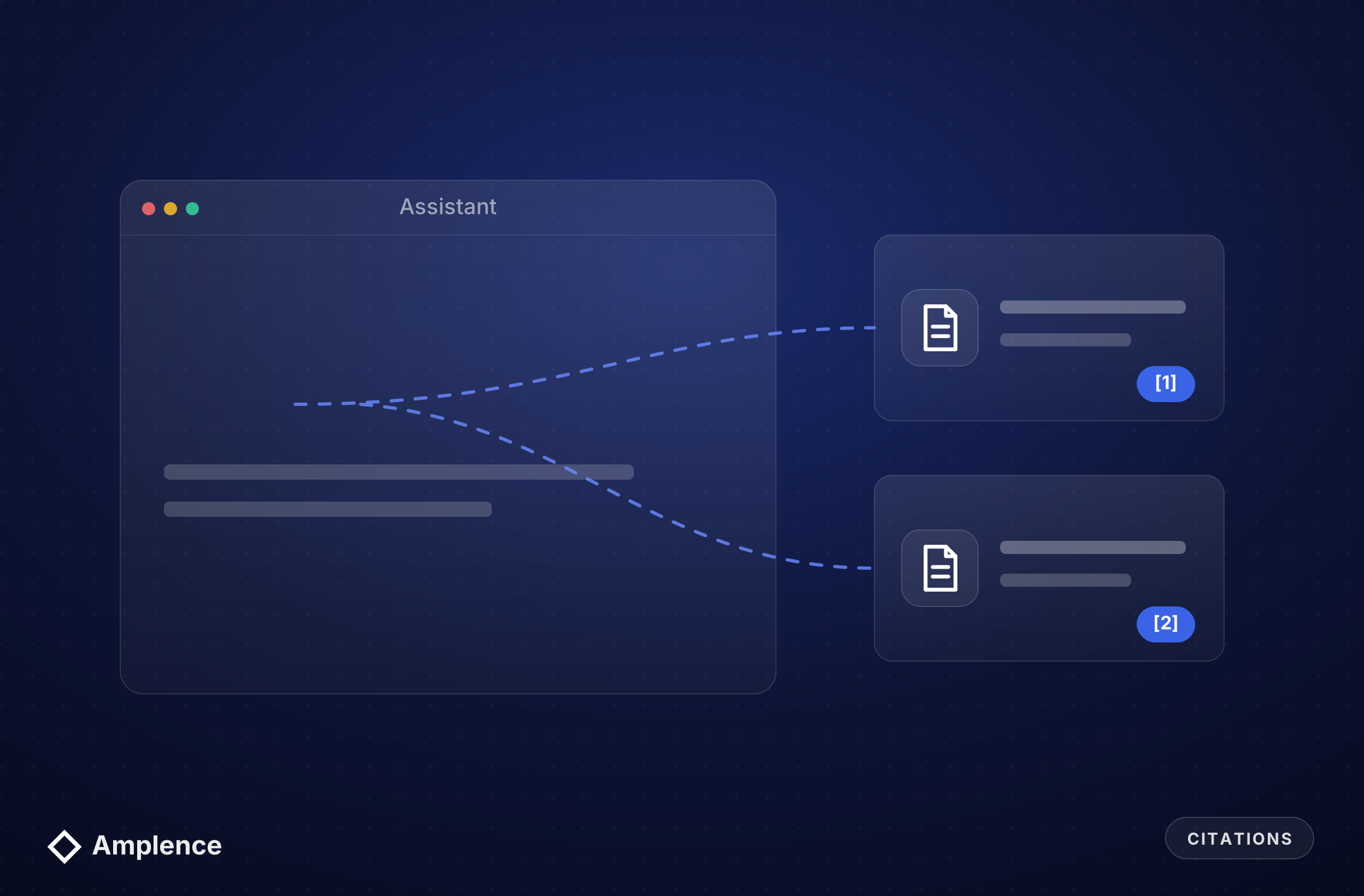
Every answer shows the passages it used and links back to the original document, so people can check it in seconds.
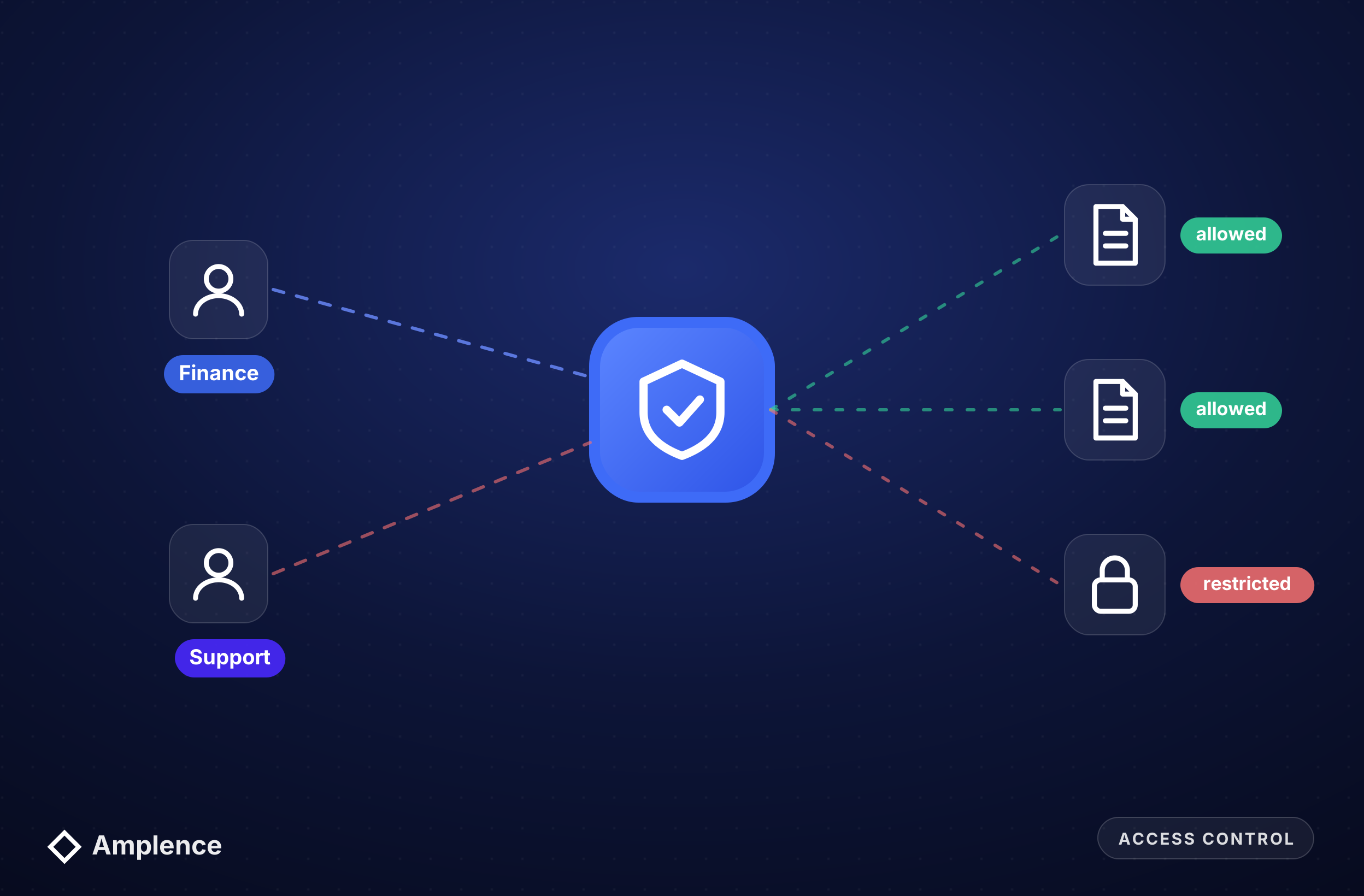
Users only get answers from documents they are allowed to open, and your data stays in the cloud account and region you choose.
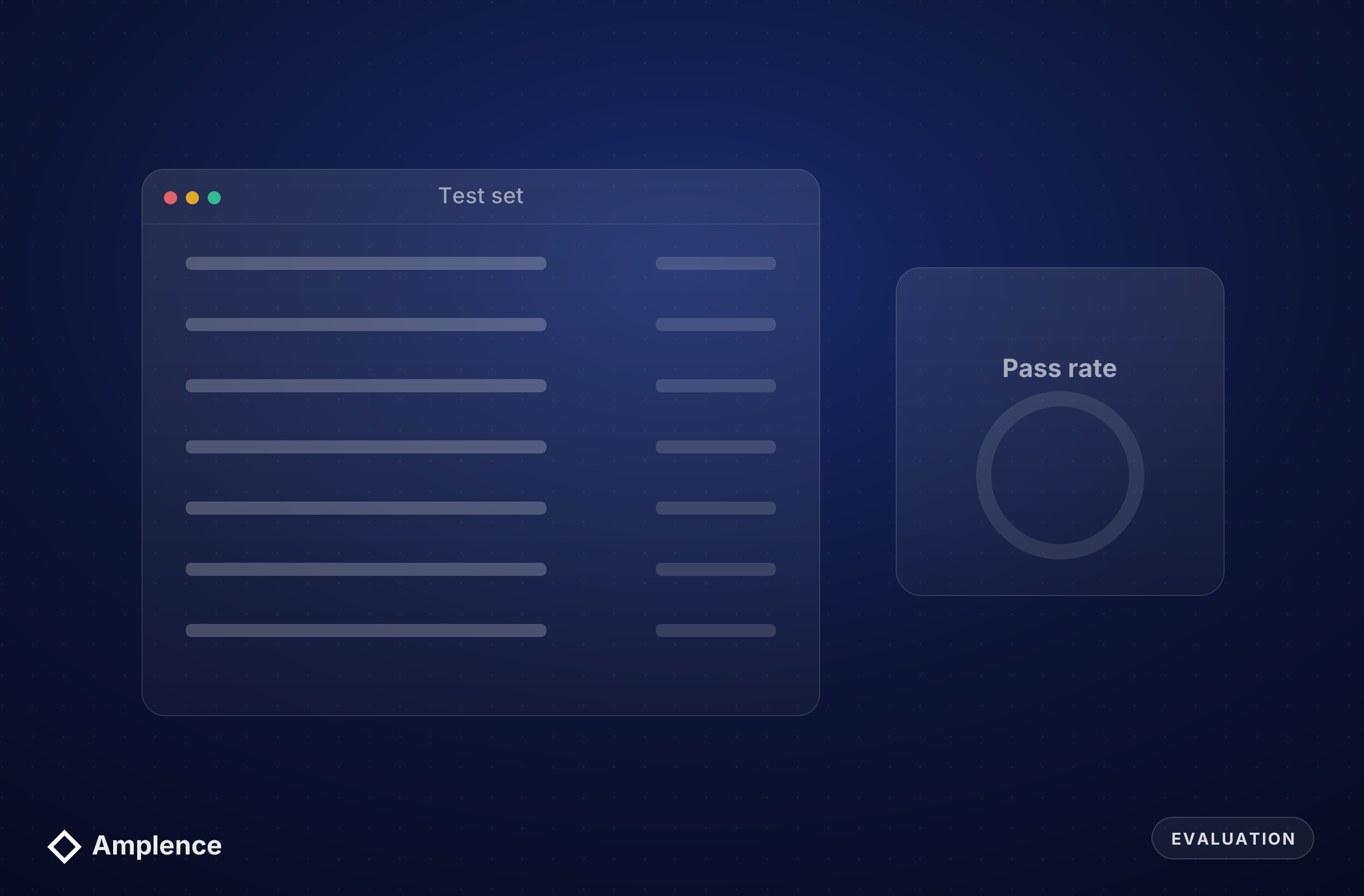
Real questions with expected answers, run before launch and after every change, so quality is measured instead of guessed.

Questions and feedback logged for review, documents re-indexed when they change, and a full re-test when the AI model is replaced.
RAG, or retrieval-augmented generation, builds AI answers from your own content. When someone asks a question, the system first searches your documents for the most relevant passages, then gives only those passages to the language model to answer from. The answer can cite its sources, and nothing needs retraining when documents change.
For answering questions from documents that change, RAG is usually the better fit: it can cite sources and picks up new information as soon as documents are re-indexed. Fine-tuning changes how a model writes or behaves rather than what it knows today. Some projects use both, and we'll tell you which one your case needs.
We test retrieval separately from the answers, instruct the model to answer only from the passages it was given, show those passages with every answer, and have it say it doesn't know when nothing relevant is found. Questions it can't answer can be passed to a person.
Yes. Documents, the search index and chat logs can stay in your own cloud account and in the region you need, and users only get answers from files they are allowed to see. We confirm which model providers process the text, and where, before anything is built.
It depends on how many document types you have and how clean they are. The usual first step is a focused pilot on one set of documents, measured against real questions, and we give you a timeline after the scoping call.
Book a 20-minute call with our CEO Muneeb. Bring five real questions and the documents that hold the answers, and we will tell you how a RAG system would handle them.
Practical systems that reduce manual work, lower costs, and help teams scale.


